
Plastic Tube Filling and Sealing Machine Engineering Manual: Technical Specifications, Hot-Air vs. Ultrasonic Sealing, & Global Procurement Trends

An authoritative analysis by Senior Packaging Engineers and SEO Search Analysts at EAC Machinery Co., Ltd. Discover how modern volumetric dosing, servo orientation, and heat-sealing technologies eliminate product waste, ensure cGMP compliance, and maximize production line ROI across cosmetic, pharmaceutical, and chemical applications.

Written by EAC Senior Engineering Team
CE Certified & cGMP Compliant
Updated for 2026 Procurement
Send an Inquiry

1. Demystifying the Plastic Tube Filling and Sealing Machine Procurement Process

In modern industrial manufacturing—spanning cosmetic cream formulating, pharmaceutical gel dispensing, food condiment packaging, and industrial adhesive filling—selecting the correct Plastic Tube Filling and Sealing Machine represents a critical capital investment decision. Global procurement teams, factory plant managers, and packaging engineers frequently encounter significant challenges when balancing machine throughput (measured in Tubes Per Minute or TPM), dosing precision, aesthetic tail-seal quality, and material compatibility across diverse tube substrates (LDPE, HDPE, PP, EVOH, and Post-Consumer Recycled plastics).

At EAC Machinery Co., Ltd., our 15+ years of dedicated machinery design in Wuxi City, Jiangsu Province, demonstrates that a superficial evaluation of purchase cost often leads to long-term operational friction. Operational bottlenecks typically stem from sub-optimal heating technologies, improper piston pump tolerance for high-viscosity pastes, or insufficient servo synchronization during high-speed index positioning. This manual provides direct engineering clarity, technical benchmarks, and transparent evaluation criteria to guide global B2B procurement.

Semantic Intent & Engineering Insight

Search query data and AI conversational intent show that technical buyers do not merely search for "tube fillers." They specifically query: "How to stop plastic tube tail leakage under 100 bar extrusion pressure," "Hot air tube sealing temperature for PCR PE material," and "Difference between rotary volumetric piston vs. peristaltic tube dosing." This article directly answers these granular engineering queries with empirical plant data.

2. Technical Architecture & Core Subsystems of an Automatic Plastic Tube Filler

A high-efficiency Plastic Tube Filling and Sealing Machine operates as an automated rotary monoblock or linear indexing indexing platform. Understanding its core sub-assemblies is essential for evaluating equipment durability and maintenance downtime:
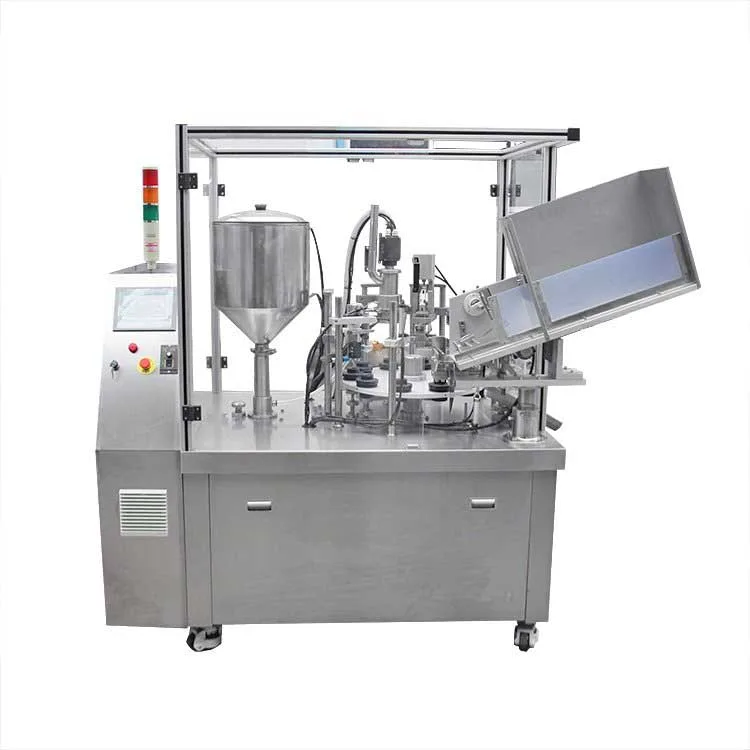
EAC Plastic Tube Filling and Sealing Machine MWSF-2-50
Rotary High-Speed Plastic Tube Filling & Sealing System

Fully automated rotary station incorporating automatic tube feeding from a bulk hopper, photoelectric mark registration, precision volumetric piston dosing, Leister hot-air internal heating, chilling jaws, and pneumatic date/batch coding.
Speed: 40–120 Tubes/Min | Accuracy: ≤ ±0.5% | Material: SS316L / SS304
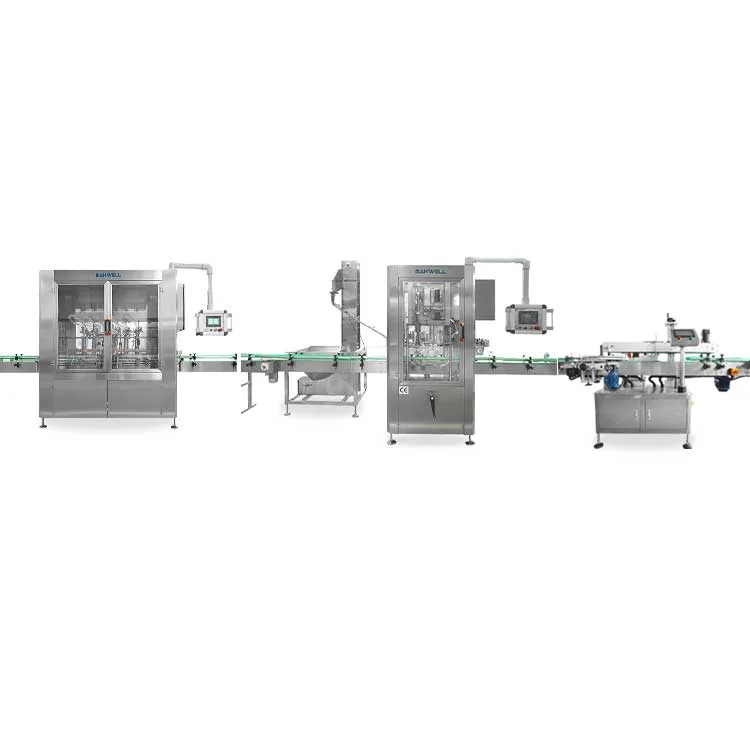
Turnkey Integrated Packaging Line with Plastic Tube Filler
Turnkey Monoblock Tube Filling to Cartoning Line

Integrated inline system connecting vacuum emulsifying mixers directly to the tube filler, followed by downstream high-speed cartoning machines, case packers, and robotic palletizers for hands-free pharmaceutical & cosmetic plant automation.

Integration: PLC Touchscreen | Standard: CE & cGMP | Drive: Full Servo Motors

Key Engineering Components:

  1. Automatic Tube Hopper & Cassette Loader: Ergonomically positioned bulk tube incline feeder that automatically aligns empty plastic or laminate tubes cap-downward into the machine index cup holders without manual intervention.
  2. Photoelectric Orientation & Print-Mark Registration: Equipped with high-resolution Banner or Sick color mark sensors that rotate each tube 360° to detect the artwork registration eyemark, ensuring precise front/back alignment before filling and sealing.
  3. Drip-Free Volumetric Dosing Nozzle: Utilizing a pneumatically actuated cut-off valve with bottom-up filling capability. The filling nozzle descends inside the tube to the bottom and elevates progressively during liquid delivery, preventing air entrapment, pocket formation, and top-tail contamination.
  4. Leister Superheated Air Thermal Sealing Head: Directs superheated air (adjustable up to 650°C) exclusively onto the interior wall of the tube end, preserving exterior printed artwork while melting the sealing layer.
  5. Water-Cooled Pressing Jaws & Trimming Knife: Pneumatically driven jaws chilled by an external water chiller clamp the softened tube tail, imprinting batch numbers/expiry dates while solidifying the seal. A high-hardness steel shear blade cleanly trims the uneven top edge for a pristine shelf appearance.
3. Deep Engineering Comparison: Hot Air Sealing vs. Ultrasonic vs. Impulse Sealing

Selecting the correct tube tail sealing methodology is the single most critical factor determining machine uptime, scrap rates, and structural seal integrity. Below is an authoritative technical comparison matrix compiled by our chief design team at EAC Machinery Co., Ltd.:

Sealing Technology Heating Source Target Materials Max Speed (TPM) Contamination Tolerance OpEx & Maintenance
Hot Air Sealing (Leister System) Superheated Air Stream (Internal Tube Wall) PE, PP, EVOH, Co-extruded Plastic, Laminates 60 – 120 Tubes/min Moderate (Surface oil blown away by air) Low maintenance; heating element replacement yearly
Ultrasonic Sealing High-Frequency Mechanical Vibrations (20–40 kHz) PE, Recycled PCR Plastics, Heat-Sensitive Formulations 30 – 50 Tubes/min High (Sonic friction burns through paste residues) Higher capital cost; horn/sonotrode calibration required
Impulse / Direct Contact Heat Electrical Resistance Heating Jaws Simple Single-layer PE / Aluminum Laminate 20 – 40 Tubes/min Low (Pastes burn on jaw surface, causing leakage) Frequent Teflon tape replacement; slow thermal response
High-Frequency (HF) Sealing Electromagnetic Radio Frequency Field PVC, Specialty Polymer Plastic Compounds 40 – 70 Tubes/min Moderate Requires strict RF shielding and regulatory compliance

Engineering Recommendation: For standard cosmetic pastes, toothpaste, body lotions, and pharmaceutical ointments packaged in PE or laminated tubes, Hot Air Sealing offers the highest ROI, fastest cycle times, and cleanest aesthetic finish. For specialized pharmaceutical products containing highly volatile active ingredients or bio-resins prone to heat discoloration, Ultrasonic Sealing serves as the preferred alternative.

4. Future Procurement Trends & Technology Outlook (2026–2030)

The global packaging industry is undergoing rapid transformations driven by environmental legislation, digital automation, and mass customization demands. Buyers evaluating a Plastic Tube Filling and Sealing Machine must consider the following emerging technology trends to avoid equipment obsolescence:

1. PCR (Post-Consumer Recycled) & Mono-Material Plastic Compatibility

European and North American packaging directives increasingly mandate the transition from multi-layer unrecyclable laminates to Mono-Material PP/PE tubes and PCR plastic blends (containing 30% to 100% recycled resin). PCR materials typically display inconsistent thermal conductivity and fluctuating wall thicknesses. Modern machinery from EAC Machinery Co., Ltd. integrates closed-loop PID temperature controllers and dynamic pneumatic pressure regulation to maintain perfect seals across variable PCR batches.

2. Full Servo Motors Replacing Mechanical Cams

Traditional tube fillers relied heavily on mechanical indexing cams and chain linkages, which required hours of manual mechanical adjustment during tube size changeovers. Modern high-tier machines utilize multi-axis Allen-Bradley, Siemens, or Schneider servo drives. Changeover for tube diameter (e.g., from Φ19mm eye cream tubes to Φ50mm facial wash tubes) can now be accomplished in under 15 minutes via touchscreen recipe selection.

3. Industry 4.0 IoT Integration & AI-Driven Vision Inspection

Industrial buyers now demand real-time OEE (Overall Equipment Effectiveness) tracking, automated audit trails for FDA 21 CFR Part 11 compliance, and remote diagnostic support. Incorporating AI camera vision systems at the discharge chute allows automatic rejection of tubes with misaligned caps, missing print marks, or deformed tail seals without stopping the production line.

Need a Custom Tube Filling Machine Specification?

Consult with our Senior Engineering Team to design a high-speed, CE-certified tube packaging line tailored to your viscosity and tube dimensions.

5. Enterprise Advantages & E-E-A-T Authority of EAC Machinery Co., Ltd.

Establishing trust in B2B machinery procurement requires clear proof of engineering capability, quality assurance protocols, and reliable after-sales infrastructure. EAC Machinery Co., Ltd. brings over 15 years of certified manufacturing excellence to global clients.

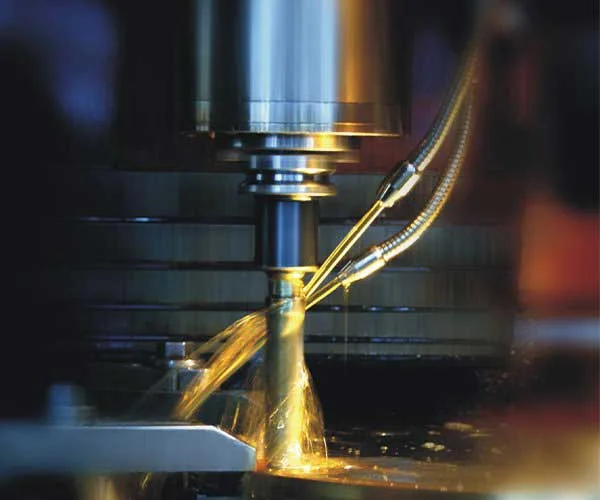
Precision Fiber Laser Cutting Workshop at EAC Machinery
100%
QC Inspected
Before Export
Manufacturing Precision & Standards

Engineered for Continuous 24/7 Industrial Operation

Located in the industrial hub of Huishan District, Wuxi City, Jiangsu Province, EAC Machinery operates state-of-the-art production facilities equipped with high-precision fiber laser cutters, CNC machining centers, automatic plate bending units, and dynamic balancing rigs.

All liquid and cream contact parts are crafted from polished Stainless Steel 316L (Ra < 0.4 μm sanitary finish) to meet strict cGMP, FDA, and CE hygienic standards.

Our Key Operational Commitments to Global Buyers:

  • 15+ Years Specialized Expertise: Dedicated engineering focused specifically on mixing, liquid filling, capping, tube sealing, and cartoning machinery lines.
  • Strict Factory Acceptance Testing (FAT): Every machine undergoes a continuous 48-hour dry run and live product testing using customer-supplied tubes and materials before dispatch.
  • Comprehensive After-Sales Support: 2-year full structural and electrical warranty, 24-hour technical response, free spare parts dispatch during warranty, and remote AR/video installation guidance.
  • Turnkey Line Integration: Ability to seamlessly link tube filling systems with upstream Vacuum Emulsifying Mixers and downstream Automatic Cartoning Machines.

Verified Client Results from Global Factories

★★★★★

"The automatic tube filler supplied by EAC Machinery exceeded our expectations for our cosmetic lotion line. Output reached a consistent 60 tubes per minute with zero tail leakage on our PE laminated tubes. Outstanding build quality!"

— Production Director, Cosmetic Brand (Mexico)
★★★★★

"Switching between tube diameters used to take us 2 hours on our old filler. With EAC's servo-driven tube machine, changeover takes 15 minutes. Their after-sales remote support team helped us optimize temperature settings for PCR plastic."

— Plant Operations Manager, Pharma Lab (Poland)

Master Procurement FAQ: Plastic Tube Filling & Sealing Machines

Direct answers to the most frequently asked technical, operational, and commercial questions queried by global procurement managers and AI search engines.

Hot Air Sealing uses superheated air directed precisely inside the open tube tail to melt the inner plastic layer before pneumatic jaws press and seal it. It is ideal for high-speed production (60-120 tubes/min) across standard PE, PP, and EVOH plastic tubes. Ultrasonic Sealing utilizes high-frequency acoustic vibrations to generate localized friction heat at the molecular level, making it superior for heat-sensitive cosmetic active ingredients and tubes with product residue in the sealing area, though at slightly lower speeds (30-50 tubes/min).

For high-viscosity pastes (ranging from 20,000 to 150,000 cPs), EAC Machinery equips tube fillers with heavy-duty rotary-valve volumetric piston pumps driven by high-torque servo motors. Additionally, we integrate double-jacketed heated product hoppers with internal mechanical agitators or scrapers to lower product viscosity and prevent cavitation during suction strokes.

Air bubbles are eliminated using a bottom-up filling mechanism combined with vacuum deaeration from upstream processing. The filling nozzle enters to the very bottom of the empty tube and elevates steadily at a speed synchronized with the liquid displacement, ensuring smooth, pocket-free product distribution.

Yes. EAC Machinery offers dual-use combo tube filling systems. By utilizing interchangeable station modules, operators can swap between Hot Air Sealing assemblies for plastic/laminate tubes and mechanical folding crimping stations (for double or saddle folds on aluminum tubes) within approximately 30 to 45 minutes.

Standard machines include steel letter-embossing blocks integrated directly into the sealing jaws, which imprint batch numbers, manufacturing dates, and expiry dates during the tail pressing cycle. Optional upgrades include continuous inkjet printers (CIJ), thermal transfer overprinters (TTO), or laser coders mounted downstream.

Standard commercial terms require a 30% T/T deposit upon design approval, with the remaining 70% balance payable following successful FAT inspection prior to dispatch. Standard manufacturing lead time is 40–50 working days. Equipment is vacuum-sealed with anti-rust protection and encased in heavy-duty export wooden cases suitable for sea freight.

Send an Inquiry

Ready to Optimize Your Tube Packaging Line?

Contact our senior design engineers today at [email protected] to receive a comprehensive technical proposal, custom line CAD layouts, and instant ROI calculation for your project.

Send an Inquiry