1. The Physics of Mayonnaise Emulsification: Engineering Stable Oil-in-Water Systems
Mayonnaise is scientifically classified as a high-internal-phase oil-in-water (O/W) emulsion, typically containing 65% to 80% vegetable oil dispersed within a continuous aqueous phase consisting of egg yolk, vinegar, water, mustard, and salt. Achieving long-term thermodynamic stability without syneresis (oil bleeding) requires precise control over fat droplet reduction, phase inversion, and rheological viscosity.
Traditional atmospheric mixing kettles fail to produce commercial-grade mayonnaise because air entrapment induces lipid oxidation, leading to premature rancidity. Furthermore, low-shear agitation produces coarse oil droplets larger than 10 microns, resulting in rapid coalescence and phase breakdown during storage or temperature fluctuations.
An industrial Mayonnaise Making Machine engineered by EAC Machinery Co., Ltd. solves these physical challenges through a multi-stage high-shear rotor-stator homogenizing engine operating inside a hermetically sealed vacuum vessel.
Information Gain: Micro-Droplet Mechanics & Shear Force Dynamics
When oil is dosed into the aqueous phase under negative vacuum (-0.085 to -0.092 MPa), it passes through a narrow shear gap (0.2 mm to 0.5 mm) between the high-speed rotor (tip speed exceeding 22 m/s) and fixed stator slots. This generates intense mechanical shear, hydraulic cavitation, and high-frequency turbulence, fracturing bulk oil streams into micro-droplets measuring 1.0 to 3.5 microns. At this micron scale, lecithin lipo-proteins in the egg yolk absorb rapidly onto the oil-water interface, establishing a dense electrostatic steric barrier that prevents droplet coalescence over a 12-to-24-month shelf life.
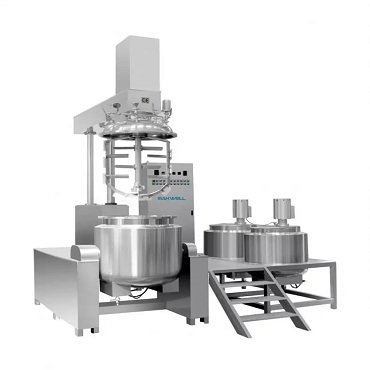
Figure 1: EAC Machinery High-Shear Vacuum Emulsifying Reactor designed for food-grade sauce processing.
2. Recommended Mayonnaise Making Machine Configurations by Production Scale
Selecting the optimal emulsification plant depends directly on your target hourly output, product viscosity (ranging from 5,000 cP to 150,000 cP), and ingredient dosing strategy. Below is a structured breakdown of industrial machine solutions designed and built by EAC Machinery Co., Ltd.:
VME-Series Batch Vacuum Emulsifiers
Ideal for pilot plants, specialty sauce producers, and medium-scale food factories. Features a tilting vessel, bottom-entry high shear homogenizer, wall-scraping anchor agitator, and automated vacuum oil suction systems (100L to 1,000L batch capacity).
Inline Continuous Emulsification Lines
Engineered for large-scale condiment manufacturers requiring continuous throughputs from 500 L/h up to 5,000 L/h. Incorporates loss-in-weight continuous mass flow meters, multi-stage inline shear pumps, and PLC central control integration.
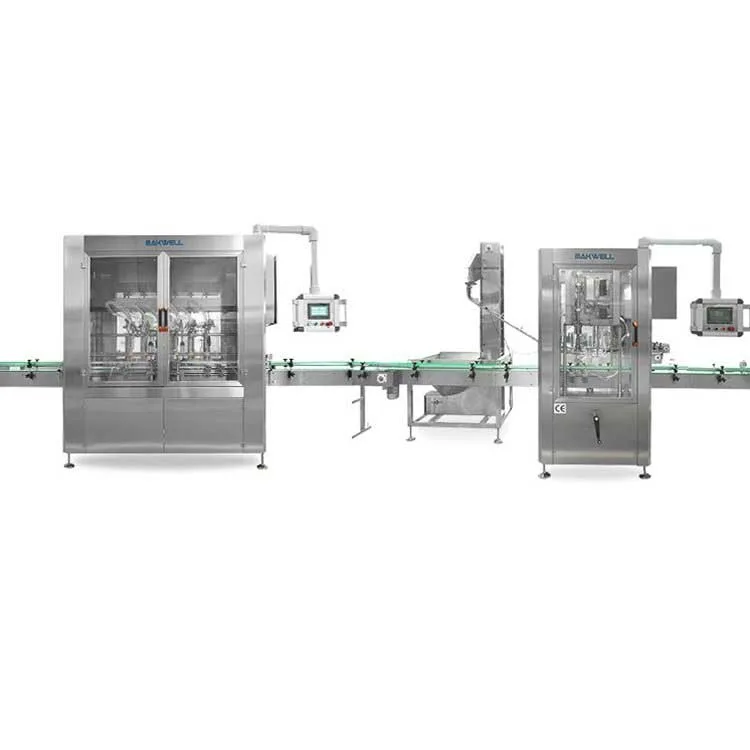
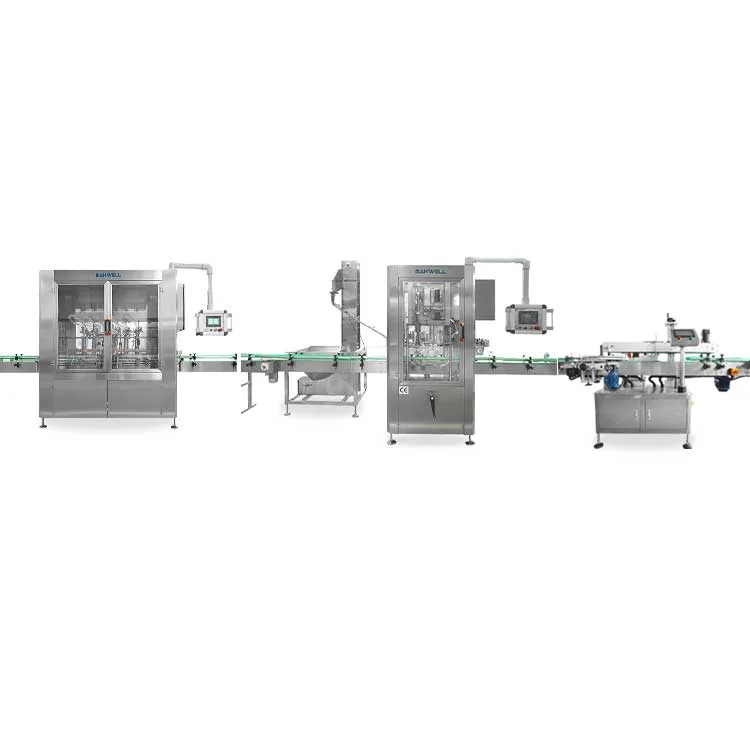
Turnkey Sauce Processing & Packaging
Complete end-to-end lines combining mayonnaise synthesis with rotary piston bottle filling, spout pouch packaging, automatic induction capping, labellers, cartoning, and palletizers engineered under one umbrella.
Technical Specifications Matrix: Standard Mayonnaise Making Systems
The table below outlines technical parameters for EAC Machinery’s core batch vacuum emulsifying reactors to assist procurement teams in facility planning, electrical sizing, and utility allocation:
| Parameter / Model | VME-100 (Pilot) | VME-500 (Medium Scale) | VME-1000 (Commercial) | VME-2000 (High Volume) |
|---|---|---|---|---|
| Working Capacity | 100 Liters | 500 Liters | 1,000 Liters | 2,000 Liters |
| Homogenizer Speed | 0 – 3,600 RPM (VFD) | 0 – 3,000 RPM (VFD) | 0 – 3,000 RPM (VFD) | 0 – 2,800 RPM (VFD) |
| Rotor-Stator Geometry | Toothed High Shear | Toothed High Shear | Multi-Layer Slot Rotor | Multi-Layer Slot Rotor |
| Agitator Speed / Power | 0 – 63 RPM (1.5 kW) | 0 – 63 RPM (4.0 kW) | 0 – 63 RPM (7.5 kW) | 0 – 50 RPM (11.0 kW) |
| Vacuum Level | -0.09 MPa (Water Ring) | -0.092 MPa | -0.092 MPa | -0.092 MPa |
| Contact Material | AISI SS316L (Mirror Polish) | AISI SS316L (Ra ≤ 0.4 µm) | AISI SS316L (Ra ≤ 0.4 µm) | AISI SS316L (Ra ≤ 0.4 µm) |
| Heating/Cooling Jacket | Dimple Jacket (3 Bar) | Dimple Jacket (3 Bar) | Dimple Jacket (3 Bar) | Dimple Jacket (3 Bar) |
| CIP System Interface | Rotary Spray Ball | Dual Spray Balls + CIP Return | 360° CIP Spray Matrix | Automated CIP/SIP Module |
3. Future Procurement & Technological Trends in Mayonnaise Processing (2026+)
Global condiment markets are experiencing shift factors driven by clean-label demands (reduced emulsifiers and preservatives), low-fat formulations, plant-based vegan alternatives (aquafaba or soy protein substitutes), and skyrocketing energy costs. When procuring a Mayonnaise Making Machine, progressive plant engineers must consider equipment adaptability to these emerging trends:
Trend A: Micro-Dosing Automation & Dynamic Mass-Flow Oil Dosing
In traditional mayonnaise production, manual oil additions cause variations in viscosity and emulsion breaking. Next-generation systems manufactured by EAC Machinery Co., Ltd. integrate closed-loop Coriolis flowmeters with proportional control valves. By feeding oil directly into the high-shear homogenizing chamber at controlled logarithmic flow rates, the machine maintains an optimal phase-volume ratio during the entire addition cycle, shortening overall batch times by up to 35%.
Trend B: Cold-Emulsification Technology for Heat-Sensitive Recipes
Thermal pasteurization can damage fresh egg whites and alter delicate spice profiles. Advanced mayonnaise processing equipment now leverages cold-emulsification under high vacuum coupled with ultra-sanitary micro-filtration or inline cold-pasteurization systems. Vacuum levels of -0.092 MPa allow de-aeration at ambient room temperatures, preserving natural yellow egg pigments, volatile mustard aromatics, and structural oil clarity.
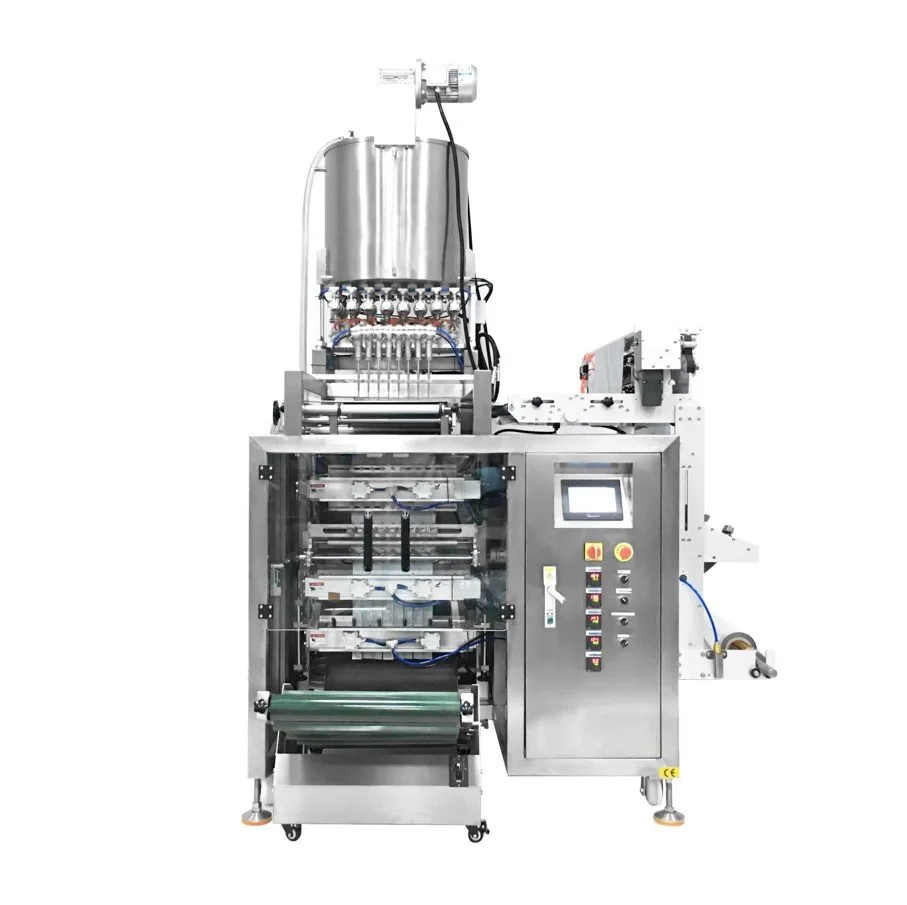
Figure 2: Downstream Mayonnaise Packaging Solution — Form-Fill-Seal Pouch & Sachet System.
Trend C: Hygienic Design 4.0 & Water-Saving CIP/SIP Automation
Cross-contamination between recipes (e.g., egg-based mayonnaise vs. vegan garlic mayo) presents major allergen compliance risks. Modern machinery incorporates EHEDG-compliant hygienic mechanical seals, flush-mounted discharge valves without dead legs, and automated CIP (Clean-In-Place) systems utilizing variable jet spray nozzles. This design reduces water and chemical detergent usage by 40% between batch changeovers.
4. Why Global Food Processors Partner with EAC Machinery Co., Ltd.
Selecting a manufacturing partner for critical food processing machinery requires evaluating engineering authority, manufacturing credentials, and long-term technical service capability. EAC Machinery Co., Ltd. stands as an industry benchmark in China's industrial equipment manufacturing hub.
Manufacturing Integrity & Precision Engineering Facilities
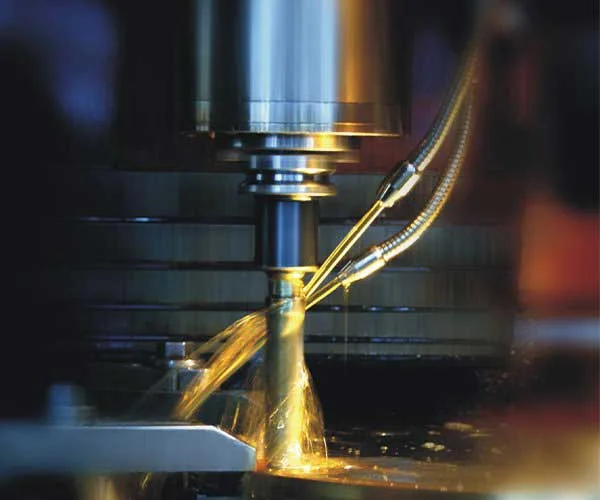
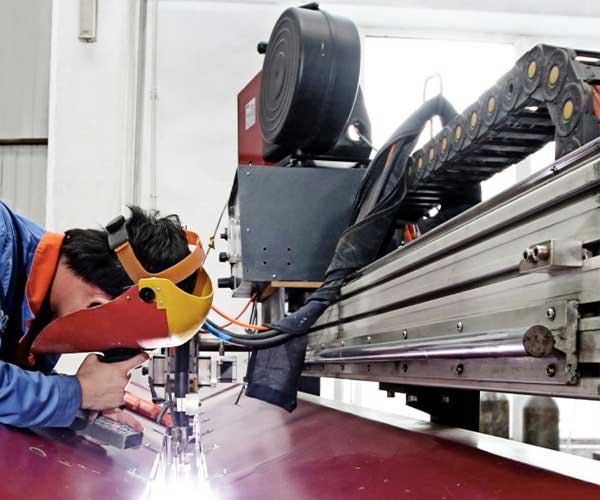
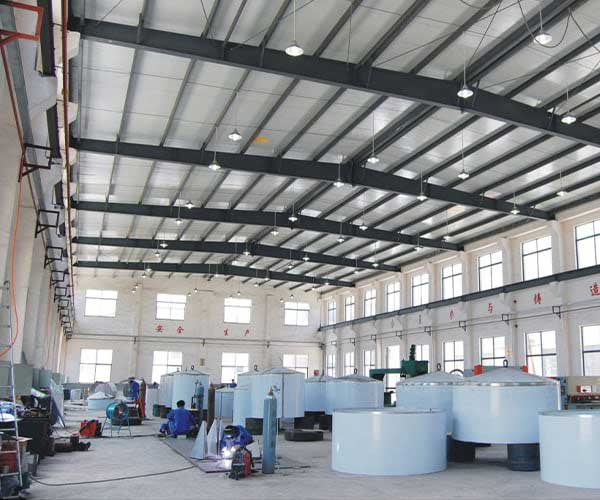
Located in Wuxi City, Jiangsu Province, EAC Machinery Co., Ltd. operates a modern production center equipped with heavy-duty fiber laser cutters, multi-axis CNC machining stations, automatic orbital welding machines, and dedicated surface polishing workshops.
- Material Integrity & Certification: Every contact surface is constructed from certified AISI SS316L stainless steel (with full material heat traceability certificates). Non-contact structures utilize robust SS304.
- Surface Finish Excellence: Internal vessel walls undergo mechanical polishing followed by electro-polishing to achieve a mirror finish of Ra ≤ 0.4 μm, preventing sticky sauce adhesion and bacterial harborage.
- Rigorous Quality Testing: Prior to dispatch, every mayonnaise making machine undergoes comprehensive Factory Acceptance Testing (FAT), including 48-hour hydrostatic pressure testing, dynamic balancing of homogenizer rotors, vacuum holding tests, and noise level verifications (< 75 dB).
- Global Installation & After-Sales Warranty: Supported by a 2-year full equipment warranty, our senior engineers provide global on-site commissioning, operator training, and 24-hour remote diagnostic assistance via dedicated technical teams.