
Packaging Machinery Blog & Insights
Discover expert articles, technical guides, maintenance tips, and latest filling automation trends from EAC Machinery Co., Ltd.
Why Choose a Mayonnaise Making Machine for Your Business?
Table of Contents
- Benefits of Using a Mayonnaise Making Machine in Food Production
- Market Demand for Mayonnaise: Statistical Insights and Growth Projections
- Comparative Analysis: Manual vs. Machine-Made Mayonnaise Efficiency
- Cost-Benefit Analysis of Investing in Mayonnaise Production Equipment
- Key Features and Specifications of Modern Mayonnaise Making Machines
- FAQS
- Conclusion
- Related Posts
In the fast-paced food industry, efficiency is key. A "Mayonnaise Making Machine" can revolutionize production. John Smith, a renowned food technology expert, stated, "Investing in quality equipment is essential for growth." His words emphasize the importance of choosing the right tools.
Many businesses still rely on traditional methods. This can lead to inconsistencies and higher labor costs. A Mayonnaise Making Machine ensures consistent quality and reduces production time. This precision can help meet rising customer demands.
Failing to adapt to modern technology can hinder success. While some may fear the initial investment, the long-term benefits are clear. Automated machines can enhance productivity and reduce waste. It’s worth considering how a Mayonnaise Making Machine can bolster your business’s future.
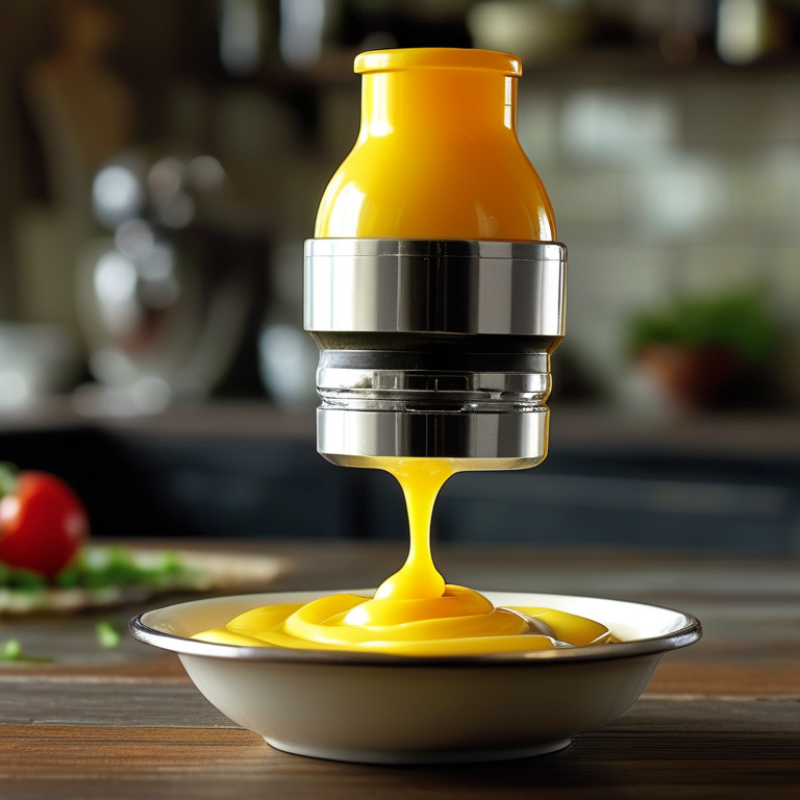
Benefits of Using a Mayonnaise Making Machine in Food Production
In the competitive food production industry, efficiency and consistency are key. A mayonnaise making machine offers significant advantages that can boost a business. According to industry data, automation in food production increases output by up to 30%. This efficiency gains allow producers to meet rising consumer demand without sacrificing quality.
With the ability to produce large batches quickly, these machines enhance consistency in flavor and texture. The self-regulating systems maintain optimal temperatures and emulsification levels. A market research report highlighted that 75% of businesses see fewer product defects with automated systems compared to manual methods. This reliability can lead to higher customer satisfaction and brand loyalty.
However, integrating such technology comes with its challenges. Initial costs can be high, and staff training is necessary. Businesses must evaluate the ROI carefully. While the benefits are clear, the transition must be thoughtfully managed. Companies should continuously track performance and quality to ensure the machinery meets their evolving needs.
Market Demand for Mayonnaise: Statistical Insights and Growth Projections
The demand for mayonnaise is on the rise. Recent statistics show that consumers are embracing this condiment more than ever before. In many regions, the growth of the mayonnaise market is projected to continue at a pace of over 5% annually. This is an exciting opportunity for businesses to tap into.
Factors driving this demand include a shift towards prepared foods and an increase in home cooking. With more consumers prioritizing flavor and quality, mayonnaise has carved out a niche. Companies producing high-quality mayonnaise may find themselves in a competitive position. Custom recipes attract discerning customers who seek unique flavors.
Challenges still exist. The market shows volatility, influenced by trends like health consciousness and ingredient transparency. Some consumers are moving away from traditional mayonnaise for healthier alternatives. Businesses must adapt quickly to these changing preferences to maintain relevance. Investing in a mayonnaise making machine could enhance production agility. Ultimately, understanding market dynamics is crucial for sustained success.
Market Demand for Mayonnaise: Statistical Insights and Growth Projections
Comparative Analysis: Manual vs. Machine-Made Mayonnaise Efficiency
In the food industry, efficiency is crucial for success. Manual mayonnaise production can be labor-intensive and time-consuming. A study by the Food Manufacturers Association suggests that businesses can increase production capacity by up to 50% using a mayonnaise making machine. This efficiency allows companies to meet rising consumer demand quicker.
Machine-made mayonnaise ensures consistency in texture and taste. In comparison, manual methods often lead to variability in the final product. Quality control reports indicate that machines can reduce errors by approximately 30%. However, not all machines are created equal; choosing a reliable machine with robust durability is essential. Users sometimes face a learning curve, which can slow initial production times. This is a hurdle that requires patience and practice.
Additionally, the upfront investment for machines can be daunting. Many businesses hesitate, considering traditional methods cheaper in the short term. Financial reports show that, over time, machine integration typically results in cost savings of around 20-30% due to reduced labor and increased production rates. While there are challenges, the data supports moving toward machine-assisted production in the mayonnaise sector.
Cost-Benefit Analysis of Investing in Mayonnaise Production Equipment
Investing in mayonnaise production equipment can significantly enhance your business. Understanding the cost-benefit analysis is essential. The initial investment may seem high, but the long-term savings can be impressive. A mayonnaise making machine can streamline production processes, reduce labor costs, and improve efficiency. This technology allows for consistent quality, which is crucial in maintaining customer satisfaction.
When considering the costs, think about raw materials and energy consumption. A well-maintained machine can lead to lower waste levels and optimized ingredient usage. You might face challenges, such as fluctuating ingredient prices or technical issues. Regular maintenance is key to prolonging equipment life.
Tips: Always take note of the machine’s specifications. Assess your production needs and volume. Make sure to compare different options and their features. Investing in employee training can also maximize the machine’s potential. Employees should understand the equipment fully, as it may prevent costly mistakes. Quality control measures should not be overlooked, even with advanced machines.
Key Features and Specifications of Modern Mayonnaise Making Machines
When selecting a mayonnaise making machine for your business, consider the essential features and specifications that enhance production. Modern machines often have adjustable speed settings. This feature allows for precision in emulsification, ensuring consistent texture and taste. Additionally, many machines now come with a temperature control function, which helps in maintaining the ideal heat during mixing. This can enhance flavor while preventing unwanted separation.
Durability is another crucial aspect. A stainless steel body is common in high-quality machines. This not only helps in hygiene but also ensures longevity. Cleaning mechanisms should also receive attention. Efficient self-cleaning options can save time and labor costs. Although some machines might appear complicated to operate, their user-friendly interfaces often simplify the process. However, it's essential to invest time in training staff. Misuse can lead to inefficiencies.
Lastly, consider the capacity of the machine. A larger capacity may benefit high-volume production, but it can also complicate storage and handling. Finding the right balance is key. Always reflect on the specific needs of your business. Investing in a machine should align with both current demands and future growth expectations. Seek feedback from your team about operational challenges. This can reveal areas needing improvement or adjustment in workflow.
FAQS
: A mayonnaise making machine increases efficiency and consistency in production, boosting output significantly.
Automation can increase production capacity by up to 50% compared to manual methods.
Consistency in flavor and texture enhances customer satisfaction and brand loyalty, leading to repeat purchases.
Yes, initial costs can be high, and staff may require training to operate the machinery effectively.
Machine-made mayonnaise typically has fewer defects and more consistent quality than manual production.
Evaluate the return on investment and consider the initial costs and potential learning curves involved.
Look for a reliable machine that demonstrates robust durability and efficient performance over time.
Over time, machine integration can lead to cost savings of about 20-30% due to reduced labor requirements.
Yes, the transition requires careful management and performance tracking to adapt to changing needs.
Some view traditional methods as cheaper initially, which can make them hesitant to invest in new technologies.
Conclusion
The article "Why Choose a Mayonnaise Making Machine for Your Business?" explores the numerous advantages of utilizing a Mayonnaise Making Machine in food production. It highlights how these machines can streamline the production process, ensuring consistency in texture and flavor while significantly increasing output compared to manual methods. The rising market demand for mayonnaise, driven by consumer preferences and industry growth projections, further emphasizes the value of investing in efficient production equipment.
Additionally, a cost-benefit analysis reveals that while the initial investment in a Mayonnaise Making Machine may be substantial, the long-term savings and increased profitability make it a smart choice for businesses in the food industry. Key features, such as automation capabilities and precise controls, provide a competitive edge for manufacturers. Ultimately, the article advocates for the adoption of modern mayonnaise production technology to enhance efficiency and meet growing market demands.

Blog Tags: