
Packaging Machinery Blog & Insights
Discover expert articles, technical guides, maintenance tips, and latest filling automation trends from EAC Machinery Co., Ltd.
Top Automatic Tube Filling and Sealing Machine Suppliers
Table of Contents
- Understanding Automatic Tube Filling and Sealing Machines
- How Filling and Sealing Technologies Differ Across Suppliers
- Key Features That Distinguish Leading Machine Suppliers
- How to Evaluate Suppliers for Production and Compliance Needs
- Installation, Support, and Long-Term Supplier Considerations
- FAQS
- Conclusion
- Related Posts
Choosing among the Top Automatic Tube Filling and Sealing Machine Suppliers is not simply a matter of comparing quoted speeds. The right partner should understand the product, tube material, filling accuracy, and sealing method your line requires. A thick cream behaves differently from a free-flowing gel. That difference matters.
Quality-management expert Joseph M. Juran offered a useful principle: “Quality is fitness for use.” Applied to an Automatic Tube Filling and Sealing Machine, this means judging equipment against real production needs—not a brochure’s best-case figures. Ask how the machine handles your actual tube diameter, fill volume, and product viscosity. Request a demonstration using representative materials, and check how operators adjust settings between batches. Small details matter: a crooked tube can affect sealing, while a difficult changeover can slow an entire shift.
Supplier selection deserves careful checking. Look for clear specifications, documented testing, accessible spare parts, and practical training. Ask what happens when a seal fails or a filling nozzle needs adjustment. The answer should be specific. Not just reassuring.
This guide introduces leading suppliers and the factors that distinguish them, including machine configuration, service support, and production flexibility. Supplier claims still need verification; no ranking can replace testing against your own requirements. That is easy to overlook. A suitable machine should fit today’s output while leaving room for realistic growth, without adding complexity your team cannot support.
Understanding Automatic Tube Filling and Sealing Machines
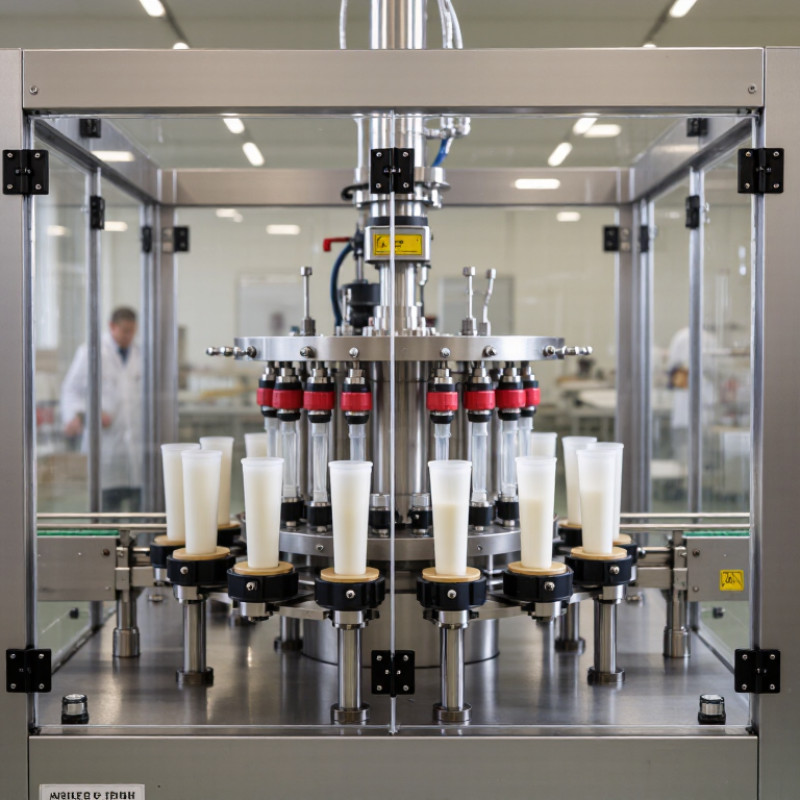
An automatic tube filling and sealing machine moves empty tubes through a sequence of controlled steps. A feeder positions each tube, and a sensor checks its orientation before filling. The dosing system then delivers a measured amount of product, while the sealing station closes the tube using heat, ultrasonic energy, or another method suited to the material. Small details matter. A slightly tilted tube can affect fill accuracy or leave an uneven seal.
Operators still have important work to do. They set filling volume, temperature, and conveyor speed, then inspect samples during production. For example, a seal should be even across the tube end, without wrinkles, residue, or gaps. A clean-looking seal is not always a sound seal. Simple checks, such as weighing filled tubes and testing seal strength, can reveal problems that appearance alone misses. Changeovers also deserve attention; leftover product or incorrect settings may affect the first tubes after a new batch begins.
When comparing suppliers, ask how the machine handles your tube dimensions, materials, and target output. Request a demonstration with representative tubes and product, if practical. Discuss cleaning access, spare parts, operator training, and how faults are displayed. Specifications are useful, but they do not show every awkward adjustment on a real production floor. A machine can be capable on paper and still require more hands-on tuning than expected.
How Filling and Sealing Technologies Differ Across Suppliers
Automatic tube filling and sealing machines differ most in how they meter product and close each tube. Servo-driven piston systems handle many creams and gels, while pump-based dosing can suit other flow characteristics. The right choice depends on viscosity, temperature, and whether the product traps air. Small details matter.
Sealing technology also varies. Hot-air systems heat the tube tail before mechanical compression; ultrasonic systems use vibration and pressure to form a seal in compatible thermoplastic tubes. Laminated, plastic, and aluminum tubes may require different tooling and process settings. Ask suppliers to run your actual product and tube materials, then inspect fill weight, tailing, seal appearance, and leak-test results. A quoted maximum speed is not enough. Request sustained output under realistic operating conditions.
PMMI’s 2024 State of the Industry report estimated U.S. packaging machinery shipments at $10.9 billion in 2023, up 5.8% from 2022. That broad market figure signals investment, but it does not prove that one filling or sealing method suits every line. The uncomfortable part: a factory acceptance test can still miss day-to-day variation. Review changeover time, cleaning access, and operator adjustments, too. A neat sample is only a start.
Key Features That Distinguish Leading Machine Suppliers
Leading automatic tube filling and sealing machine suppliers distinguish themselves through more than advertised output. They explain how filling accuracy is tested, and which product properties can affect it. A thick cream may need different pump settings from a thin gel. Ask for sample runs using your own tube material and product. Watch for drips around the nozzle, crooked tube positioning, and uneven seals. These small flaws can become costly during long production shifts.
Tips: Request a changeover demonstration. Check how quickly operators can adjust tube guides and sealing temperature. Ask what routine cleaning involves, and whether common wear parts are easy to inspect. Keep the answers in writing.
Strong suppliers also provide clear commissioning plans, operator training, and practical troubleshooting guidance. A polished machine can still disappoint if replacement parts take weeks to arrive. Discuss response times and maintenance support before placing an order. Review guarding, reject handling, and access for cleaning in person where possible. I would not judge a supplier from a brochure alone; even a detailed specification can miss awkward day-to-day tasks. A factory visit or recorded acceptance test can reveal whether controls are readable, adjustments are straightforward, and finished tubes remain consistent.
Top Automatic Tube Filling and Sealing Machine Suppliers - Key Features That Distinguish Leading Machine Suppliers
| Evaluation Dimension | What Strong Suppliers Typically Offer | What Buyers Should Verify |
|---|---|---|
| Tube Material Compatibility | Machine configurations for plastic, laminated, or aluminum tubes, with sealing equipment suited to the selected material. | Confirm compatibility using samples of the actual tube, including its dimensions, laminate structure, and cap style. Plastic and laminated tubes commonly use heat-based or ultrasonic sealing; aluminum tubes generally require folding and crimping. |
| Filling Range and Product Handling | Configurable dosing systems for different fill volumes and product characteristics, such as creams, gels, pastes, and other pumpable products. | Check the supported fill-volume range for the proposed model. Test the actual product for dosing consistency, dripping, foaming, and handling of its viscosity or particles. |
| Production Speed | Output options suited to different production requirements, with speed affected by the number of filling stations, tube format, product, and sealing process. | Request a demonstrated output using the intended tube and product. Distinguish rated machine speed from sustained production output, which can also be affected by changeovers, refills, and stoppages. |
| Filling Accuracy | Dosing technology and adjustment features selected for the product and fill-volume range. | Ask for the machine’s stated accuracy and test method. Validate results across the intended operating range rather than relying only on a single sample or nominal specification. |
| Tube Handling and Changeover | Adjustable or interchangeable tooling for tube sizes and formats, with clear procedures for format change and machine setup. | Confirm the tube diameter and length limits for the specific configuration. Check changeover time, tooling costs, adjustment requirements, and availability of spare parts. |
| Sealing and Coding | Sealing options matched to the tube material, with provisions for batch, lot, or date coding where required. | Inspect seal appearance and integrity on production samples. Confirm code position, legibility, and compatibility with the selected tube and sealing method. |
| Hygienic Design and Cleaning | Product-contact components designed for practical cleaning and maintenance, with construction details appropriate to the product and facility. | Review product-contact materials, disassembly steps, cleaning instructions, and any validated cleaning requirements. Do not assume that a machine is suitable for a particular hygiene standard without documentation. |
| Controls and Safety | Operator controls, process settings, machine-status indicators, and guarding appropriate to the configured equipment. | Review the control-system documentation, safety features, language options, and applicable conformity documents for the destination market and machine configuration. |
| Testing and Documentation | Factory testing and technical documents such as operating instructions, maintenance guidance, electrical drawings, and parts lists. | Agree in advance on acceptance-test criteria, sample materials, test duration, deliverables, and the process for resolving any test failures. |
| Service and Spare Parts | Access to technical support, maintenance guidance, and replacement parts for wear items and key components. | Confirm response arrangements, spare-parts lead times, warranty terms, training scope, and remote or on-site support availability. |
| Configuration Transparency | A quotation that identifies the supplied machine configuration, included accessories, options, and required utilities. | Compare quotations using the same tube formats, output target, filling conditions, coding requirements, testing scope, and installation assumptions. |
Specifications and capabilities vary by machine model and configuration. Confirm all operating ranges and performance claims against the supplier’s technical documentation and tests with the intended product and packaging.
How to Evaluate Suppliers for Production and Compliance Needs
A reliable evaluation starts with your actual product, tube, and output targets, not a machine’s headline speed. Ask suppliers to test the intended formulation and packaging format, including changes in viscosity, tube diameter, and fill volume. Observe the filling nozzle and sealing station during a trial; small drips, crooked seals, or frequent pauses matter. Speed claims can mislead.
Compare documented output across your planned shift pattern, including setup, cleaning, and changeover time. Request a sample batch record, calibration schedule, maintenance intervals, and clear instructions for alarms and rejected tubes. For compliance, confirm which technical files, material-contact declarations, and validation support are available for your market and process. A certificate alone is not enough; review its scope and date.
Check factory and site acceptance plans, operator training, spare-part lead times, and service response arrangements. Ask who owns each action if a test fails. A practical supplier explains limits plainly and shares measurable acceptance criteria instead of promising perfect performance. A spotless brochure proves little. One detail may still be missed: ask production staff to review the proposed workflow before purchase. This can reveal awkward cleaning access or excessive material waste early.
Installation, Support, and Long-Term Supplier Considerations
Selecting an automatic tube filling and sealing machine supplier is only the start. Installation quality shapes daily output. Before delivery, confirm the machine’s footprint, electrical supply, air pressure, and tube specifications. Ask who levels the frame, connects utilities, and checks temperature and fill accuracy. A practical commissioning plan should include sample tubes, product, and time for operator training. Watch one full production run. Small setup details matter.
Long-term support deserves equal attention. Request clear response times, spare-parts lead times, and remote troubleshooting procedures in writing. Confirm technicians can explain changeovers, cleaning steps, and seal inspection using your actual tube material. Good training should help operators spot crooked seals, inconsistent fill weights, and unusual noise before defects multiply.
Ask how software updates and replacement parts are handled over several years. A low purchase price can hide downtime costs, though support promises are not always easy to measure. Request references from facilities with similar speeds and products, then ask what went wrong—not only what worked.
No supplier can prevent every stoppage. The useful difference is how quickly and openly problems are handled.
FAQS
Many use servo-driven pistons for creams and gels. Pump-based dosing may suit other flow characteristics.
Consider viscosity, product temperature, and whether the product traps air. Test with your actual product.
Hot air warms the tube tail before compression. Ultrasonic sealing uses vibration and pressure on compatible thermoplastic tubes.
No. Laminated, plastic, and aluminum tubes may need different tooling and settings. A small detail can matter.
Ask for trials with your product and tubes. Check fill weights, product tailing, seal appearance, and leak-test results.
No. Request sustained output under realistic conditions. A neat sample is only a start.
Confirm the machine footprint, electrical supply, air pressure, and tube specifications. Agree on who connects utilities and verifies accuracy.
Use sample tubes and product, then watch a full production run. Train operators to spot crooked seals, uneven fills, and unusual noise.
Get response times, spare-parts lead times, and troubleshooting steps in writing. Ask similar facilities what went wrong, too.
No. But quick, open handling can reduce disruption. Promises are hard to measure.
Conclusion
Automatic Tube Filling and Sealing Machine suppliers offer equipment designed to fill products into tubes and seal them consistently for efficient production. Machines can differ in filling methods, sealing technologies, operating speeds, and compatibility with tube materials and product types. When comparing suppliers, consider practical features such as filling accuracy, changeover time, ease of operation, automation options, and the ability to integrate with existing production lines.
A careful supplier evaluation should also account for production capacity, quality documentation, and applicable compliance requirements. Before choosing a machine, confirm that its specifications match current and future manufacturing needs. Installation, operator training, spare-parts availability, maintenance, and responsive technical support are also important considerations. A supplier that provides reliable long-term service can help reduce downtime, maintain consistent output, and support the machine throughout its working life.
Blog Tags: