
Automated filling machine production line by EAC Machinery Co., Ltd.
Professional packaging and filling machine supplier — EAC Machinery Co., Ltd.
Industry Insights & Knowledge

Packaging Machinery Blog & Insights

Discover expert articles, technical guides, maintenance tips, and latest filling automation trends from EAC Machinery Co., Ltd.

0%

Choosing a Plastic Tube Filling and Sealing Machine supplier is not simply a price comparison. It is a decision about product safety, production stability, and future maintenance. A reliable supplier should understand tube materials, filling accuracy, sealing temperatures, coding requirements, and cleanable machine design. Small details matter. A loose cap can damage an entire batch.

Top suppliers usually provide more than stainless-steel equipment. They offer factory testing, operator training, spare-parts planning, and responsive technical support. Their machines may include servo-driven dosing, PLC control, automatic tube orientation, seal inspection, and recipe management. These features can reduce waste and improve repeatability. However, more automation is not always better. A complex system can become expensive when technicians lack proper training.

Sean Riley, a senior industry communications leader at PMMI, has said, “Automation works best when it helps people make better decisions.” That practical view deserves attention. Operators still notice unusual noise, uneven filling, or a weak seal before software does. Experience remains valuable.

This guide examines leading Plastic Tube Filling and Sealing Machine suppliers through a realistic purchasing lens. It considers machine speed, tube compatibility, filling precision, sanitation, changeover time, validation support, and after-sales service. Supplier reputation also matters, but reputation alone is insufficient. Ask for test results. Review customer references. Watch a demonstration using your actual product.

No supplier is perfect. That is an uncomfortable truth. The strongest partner is usually the one that explains limitations clearly, documents performance honestly, and helps solve problems after installation.
Top Plastic Tube Filling and Sealing Machine Suppliers

What Is a Plastic Tube Filling and Sealing Machine?

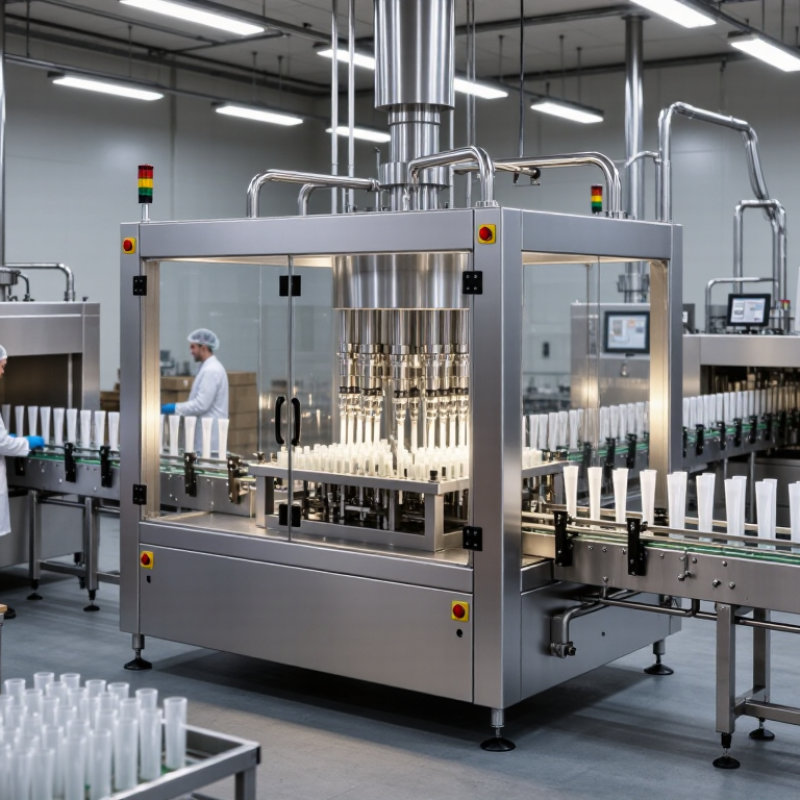
A plastic tube filling and sealing machine is an automated system that doses liquid, cream, gel, or paste into plastic tubes. It then closes the tube through heat sealing, ultrasonic sealing, or folding. A typical line includes tube loading, orientation, filling, coding, sealing, trimming, and discharge stations.

The filling system must match the product’s viscosity. Piston pumps suit thicker creams, while peristaltic pumps can reduce contamination risks during smaller batches. Servo controls help maintain consistent fill volumes. That detail matters. A 100-milliliter tube may still fail quality checks if its actual volume varies significantly.

According to Fortune Business Insights, the global plastic tubes market was valued at about 6.47 billion U.S. dollars in 2023. Its report projects continued growth through 2032, supported by personal care, pharmaceutical, and household applications. This trend increases demand for machines with faster changeovers and better material control. However, market growth does not make every machine suitable. A supplier should provide documented accuracy tests, sealing-strength data, cleanability details, and validation support. Operators should also inspect tube alignment and seal temperature during production. Small errors become visible leaks. The definition sounds simple, but machine performance depends on product behavior, tube structure, and disciplined setup.

Top Plastic Tube Filling and Sealing Machine Suppliers – What Is a Plastic Tube Filling and Sealing Machine?

A plastic tube filling and sealing machine is an automated production system that doses products such as creams, gels, ointments, pastes, and lotions into plastic tubes before sealing, coding, trimming, and discharging the finished packages.

Typical throughput by automation level: Semi-automatic systems are suitable for smaller production volumes, fully automatic inline machines support continuous manufacturing, and high-speed rotary systems are designed for large-scale production. The figures shown are representative industry benchmarks and may vary according to tube size, product viscosity, filling volume, and sealing method.

How Plastic Tube Filling and Sealing Machines Work

Top Plastic Tube Filling and Sealing Machine Suppliers

How Plastic Tube Filling and Sealing Machines Work

Plastic tube filling and sealing machines combine feeding, dosing, sealing, coding, and inspection in one controlled line. Empty tubes enter a hopper or belt feeder. Sensors orient each tube before a servo-driven nozzle fills it. The nozzle should stop above the shoulder, not touch the product. This reduces contamination and messy edges. Depending on the tube material, hot-air, heated-jaw, or ultrasonic sealing closes the tail. A trimming unit then removes excess plastic.

The control system connects filling volume with conveyor speed. Modern servo systems can adjust piston strokes with fine repeatability. According to PMMI’s 2024 State of the Industry report, U.S. packaging machinery shipments reached about 10.2 billion dollars in 2023. That investment reflects stronger demand for automation and traceability. Grand View Research projects the global plastic tubes market to expand at roughly 4.8% annually through 2030. More tubes require more flexible equipment.

Speed claims need careful testing. A machine may reach 120 tubes per minute, but only with stable material and simple formulas. Viscous creams, air pockets, and inconsistent tube dimensions can reduce output. I would request a factory acceptance test using the actual product. A perfect seal can still hide weak temperature control. That assumption needs checking. Camera inspection, weight checks, and batch data logging improve reliability. Operators also need practical access to pumps, heaters, and change parts. A supplier’s after-sales response may matter more than a polished brochure.

Key Features for Comparing Tube Filling Machine Suppliers

Top Plastic Tube Filling and Sealing Machine Suppliers

When comparing tube filling machine suppliers, examine more than output speed. A dependable supplier should explain filling accuracy, tube compatibility, and sealing performance clearly. Ask how the machine handles different viscosities, from thin lotions to thick creams. Check whether servo-driven dosing systems support stable volume control. Small deviations can create costly waste.

Inspect the machine during a practical factory trial. Look for clean product paths, accessible surfaces, and quick-change parts. These details reduce cleaning time between batches. The sealing unit should produce even, secure seals without scorching the tube. Request test data, maintenance schedules, and operator training records. Reliable documentation often reveals the supplier’s real engineering discipline.

Tips: Bring your actual tubes and product samples for testing. Record fill weights from several cycles, not one impressive sample. Ask technicians to demonstrate changeover under normal working conditions. A low quote may hide expensive tooling or weak after-sales support. No supplier is perfect. That matters. Compare how honestly each supplier discusses limitations, rejected samples, and future improvements.

Top Plastic Tube Filling and Sealing Machine Suppliers - Key Features for Comparing Tube Filling Machine Suppliers

Evaluation Dimension Typical Industry Range or Requirement Why It Matters Supplier Evidence to Request
Machine Configuration Semi-automatic, intermittent automatic, or fully automatic The configuration should match production volume, labor availability, and required process consistency. A process flow diagram, machine layout, and description of included stations.
Output Capacity Approximately 20–40 tubes/minute for many compact automatic units; higher rates require optimized tooling and product conditions. Nominal speed affects line capacity, but actual output depends on tube size, filling volume, material, and changeover time. A factory acceptance test using the buyer’s tube, product, fill volume, and target speed.
Tube Diameter Compatibility Common plastic tube diameters are roughly 13–60 mm, depending on the machine model and tooling. Correct tube handling prevents jams, poor positioning, and inconsistent sealing. A supported tube-diameter chart and sample testing with actual packaging.
Filling Volume Range Often about 1–250 ml on versatile models; the practical range depends on the pump and product characteristics. The dosing system must handle the required volume without excessive dripping, foaming, or product waste. Pump type, nozzle specifications, dosing tolerance data, and product trial results.
Filling Accuracy A commonly specified target is approximately ±1% to ±2%, subject to product viscosity and fill volume. Accurate dosing reduces giveaway, improves batch consistency, and supports regulatory requirements. Statistical test results from repeated fills and the method used to calculate tolerance.
Product Compatibility Suitable systems may handle creams, gels, lotions, ointments, pastes, and other low- to high-viscosity products. Viscosity, abrasiveness, temperature, and sensitivity to shear determine the correct pump and contact materials. A product questionnaire, viscosity range, wetted-parts list, and compatibility assessment.
Sealing Method Hot-air, impulse, ultrasonic, or other validated plastic-tube sealing methods. The method influences seal strength, appearance, cycle time, and suitability for the tube material. Seal-strength results, temperature controls, seal samples, and leak-test procedures.
Tube Material Support Compatibility may include polyethylene, laminate, and selected multilayer plastic tubes, subject to sealing technology. Different materials require different heating profiles, tooling, and sealing parameters. Approved material list and production samples using the intended tube construction.
Changeover Time Approximately 15–60 minutes for routine format changes, depending on machine design and operator experience. Shorter changeovers improve equipment utilization and support multi-size production schedules. A documented changeover procedure, tooling list, and timed demonstration.
Automation and Controls PLC control, touchscreen operation, recipe storage, sensors, and automatic fault detection are common features. Automation improves repeatability, simplifies operation, and helps identify process interruptions. Control-system specification, alarm list, user-access levels, and data-logging capabilities.
Hygienic Design Product-contact parts should generally be corrosion-resistant, cleanable, and suitable for the intended application. Cleanability and material traceability are especially important for cosmetics, pharmaceuticals, and personal-care products. Material certificates, contact-part drawings, cleaning instructions, and surface-finish information.
Safety and Compliance Guarding, emergency stops, risk assessment, electrical documentation, and applicable regional conformity requirements. Verified safety features reduce operational risk and support installation in regulated markets. Risk assessment, electrical schematics, conformity documentation, and safety validation records.
Inspection and Rejection Functions Optional systems may detect missing tubes, incorrect fill, cap errors, position errors, or defective seals. In-line inspection can reduce defective products reaching packaging or distribution. Sensor list, rejection accuracy data, inspection images, and challenge-test results.
Utilities and Installation Electrical supply, compressed air, ventilation, floor space, and environmental conditions must be defined before installation. Incorrect utility planning can delay commissioning and reduce machine performance. Utility consumption data, foundation requirements, installation drawings, and commissioning checklist.
Maintenance and Spare Parts Routine wear parts should be clearly identified, accessible, and available with documented replacement intervals. Good maintainability reduces downtime and supports predictable operating costs. Preventive-maintenance schedule, recommended spare-parts list, and parts lead times.
Validation and Documentation Operating manuals, electrical drawings, parts lists, test protocols, and commissioning records should be supplied. Complete documentation supports training, audits, troubleshooting, and process validation. Document index, sample manuals, factory test protocol, and site-acceptance criteria.
After-Sales Support Compare response coverage, remote troubleshooting, training, field service, warranty terms, and spare-parts support. Reliable technical support can have a major effect on uptime after installation. Service-level terms, training plan, escalation process, warranty exclusions, and support availability.

Note: Actual performance depends on tube dimensions, product formulation, filling volume, sealing material, machine configuration, operator skill, and validated production conditions.

Leading Plastic Tube Filling and Sealing Machine Suppliers

Leading Plastic Tube Filling and Sealing Machine Suppliers

Leading plastic tube filling and sealing machine suppliers are becoming more important as tube packaging demand expands. Grand View Research estimates that the global plastic tubes market reached about USD 6.5 billion in 2023. It also projects continued growth through 2030. This pressure encourages manufacturers to improve filling accuracy, sealing quality, and production speed.

Reliable suppliers should provide complete technical evidence, not impressive demonstrations alone. Ask for documented output rates, filling tolerances, changeover times, and reject percentages. PMMI industry reports consistently identify labor availability and automation as major packaging challenges. Therefore, servo-driven dosing, recipe control, and simple operator interfaces can reduce production dependence on manual skills. However, quoted speed may not match real production. Viscous creams, narrow tubes, and frequent format changes can reduce performance.

Tips: Request a trial using your actual product and tube. Check seal strength after storage and transport testing. Review spare-part availability, training, remote support, and preventive-maintenance instructions. A supplier with strong engineering experience should explain limitations clearly. Be cautious when every answer sounds perfect. Poorly defined cleaning procedures can create delays later. Total ownership cost matters more than the purchase price, especially when downtime affects delivery schedules. Supplier references from similar industries can also reveal whether promised accuracy survives daily operation.

How to Choose the Right Supplier for Your Production Needs

Top Plastic Tube Filling and Sealing Machine Suppliers

Choosing among top plastic tube filling and sealing machine suppliers starts with the product, not a polished sales brochure. Describe tube material, diameter, fill volume, viscosity, and daily output. A toothpaste line needs different dosing control than a cosmetic cream line. Ask for test runs using your actual formula and tube samples. Watch the nozzle during filling. Does it string, drip, or trap air? These details often predict cleaning time and rejected units. Good suppliers provide documented test results, machine drawings, and clear assumptions.

Review engineering depth as carefully as price. Check filling accuracy, sealing temperature control, changeover steps, and access to wear parts. Ask how operators adjust the machine after a new tube size arrives. A reliable supplier should explain tolerances in plain language. Request references from facilities with similar speeds, materials, and hygiene requirements. If possible, inspect an installed machine through a scheduled visit or live video. A certificate alone is not proof of practical performance.

Service support can decide whether production resumes at 9 a.m. or waits three days. Confirm response times, remote diagnostics, training hours, spare-part availability, and warranty exclusions before signing. Build acceptance criteria around output, seal strength, fill accuracy, and safe operation. Leave room for honest revision. Initial forecasts are often too optimistic, especially during changeovers. A spreadsheet can look convincing, yet it cannot reveal every cleaning delay or operator mistake. The lowest bidder may not deliver the lowest production cost. Look for a supplier that records limitations and helps validate each critical assumption.

FAQS

What does a plastic tube filling and sealing machine do?

It doses liquids, creams, gels, or pastes into plastic tubes. It then seals, trims, codes, and discharges them. Typical stations include tube loading and orientation.

How does product viscosity affect machine performance?

Thin lotions and thick creams need different dosing systems. Piston pumps often suit thicker products. Peristaltic pumps can help reduce contamination during smaller batches. The best choice still requires testing.

How can a supplier prove filling accuracy?

Request documented fill-weight results from many production cycles. One perfect sample proves very little. A 100-milliliter tube may fail checks after small volume variations. Measure several cycles, then question unusual results.

What should operators inspect during production?

Check tube alignment, fill volume, and sealing temperature regularly. Uneven temperature can scorch or weaken the seal. Small alignment errors may create visible leaks. They are easy to miss.

Why should buyers test machines with actual materials?

Bring your real tubes and product samples to the factory trial. Different tube structures can react differently to heat. Thick creams may reduce the advertised production speed. A demonstration sample can look better than daily production.

Which sealing methods may be used?

Machines may use heat sealing, ultrasonic sealing, or folding. The method should match the tube material and design. Request seal-strength results after storage and transport testing. Fresh seals are not enough.

What features can reduce cleaning and changeover time?

Look for clean product paths, accessible surfaces, and quick-change parts. Recipe controls can simplify repeated production settings. Simple interfaces may reduce dependence on highly skilled operators. Cleaning details are often underestimated.

How should buyers compare the total machine cost?

Compare tooling, spare parts, training, maintenance, and support. A low purchase price may hide costly format changes. Downtime can damage delivery schedules and production plans. The cheapest quote may not remain cheap.

Conclusion

A Plastic Tube Filling and Sealing Machine is an automated system designed to fill plastic tubes with products such as creams, gels, lotions, adhesives, and other compatible formulations before securely sealing them. The machine typically feeds empty tubes, positions them, dispenses a precise amount of product, removes or controls excess air, and forms a reliable seal. Depending on the production setup, it may also support coding, trimming, inspection, and automatic tube handling.

When comparing suppliers, manufacturers should evaluate filling accuracy, sealing quality, production speed, tube compatibility, changeover time, machine durability, cleaning requirements, and operator safety. Reliable technical support, spare-part availability, customization options, and clear maintenance guidance are equally important. Choosing the right supplier requires matching the machine’s capacity and features with current production needs, product characteristics, facility conditions, and future expansion plans. A well-selected solution can improve consistency, reduce material waste, simplify operation, and support efficient long-term manufacturing.

Landon

Landon

Landon is a dedicated marketing professional with extensive expertise in our company’s innovative products and services. With a deep understanding of market dynamics and consumer needs, he consistently delivers insightful content that showcases the unique benefits of our offerings. Landon is......