
Automated filling machine production line by EAC Machinery Co., Ltd.
Professional packaging and filling machine supplier — EAC Machinery Co., Ltd.
Industry Insights & Knowledge

Packaging Machinery Blog & Insights

Discover expert articles, technical guides, maintenance tips, and latest filling automation trends from EAC Machinery Co., Ltd.

0%

China has become a major manufacturing base for liquid packaging equipment. Its suppliers serve beverage, food, cosmetic, pharmaceutical, and household product industries worldwide. However, choosing a reliable Liquid Bottle Filling Machine manufacturer requires more than comparing prices.

This guide examines manufacturers through practical industry criteria. These include filling accuracy, machine speed, material quality, automation, cleaning design, and after-sales support. Stainless steel frames, adjustable nozzles, sensor systems, and clear control panels reveal important engineering choices. A dependable supplier should also provide factory records, equipment testing, installation guidance, and responsive technical communication. Certifications matter, but they should match the machine’s intended market and product application.

Real production conditions deserve attention. A machine that performs well with thin water may struggle with syrup, oil, cream, or foaming liquids. Bottle shape, viscosity, temperature, and filling volume can change the final result. Buyers should request samples, test reports, and a clear performance agreement before ordering. Small details count.

Not every impressive catalogue reflects stable production experience. Some specifications may require closer verification. This is where careful questioning helps. Factory visits, video inspections, and conversations with existing users can expose practical strengths and weaknesses. The best manufacturers are not always the largest. They are the ones that explain limitations honestly, support maintenance, and adapt equipment responsibly. This introduction sets a realistic framework for comparing China’s leading suppliers and identifying equipment that can support safe, efficient, and consistent filling operations.
China Top Liquid Bottle Filling Machine Manufacturers

What Are Liquid Bottle Filling Machines?

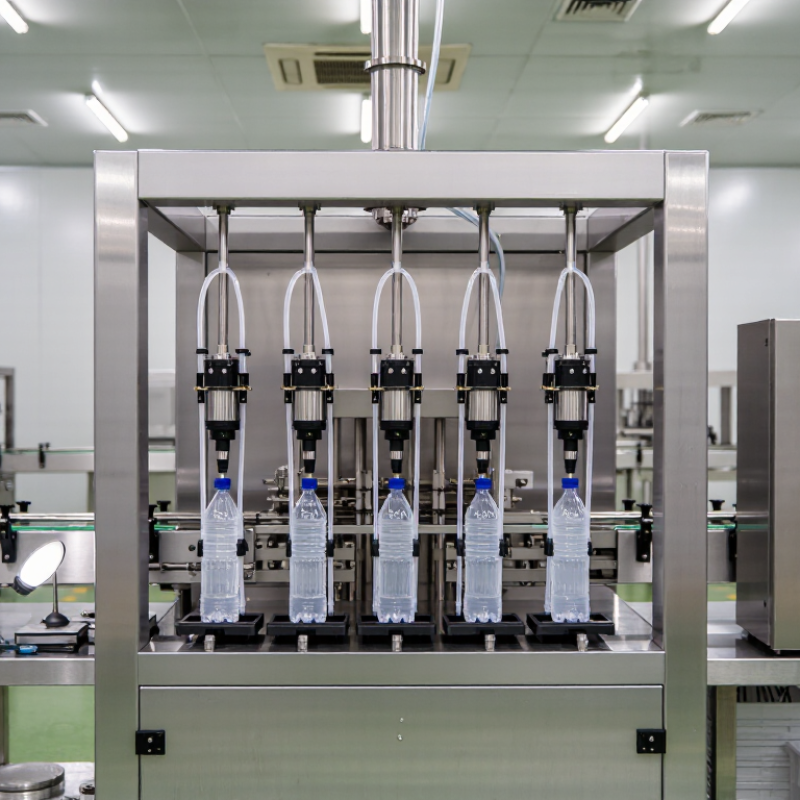
Liquid bottle filling machines are industrial systems that transfer a measured amount of liquid into bottles. They are used for water, beverages, cosmetics, oils, and many other safe products. A typical machine positions empty bottles, dispenses liquid through nozzles, and moves filled bottles toward capping. Some models use time-based pumps, while others rely on piston, gravimetric, or overflow filling. The correct method depends on viscosity, foaming, temperature, and bottle shape.

In practical production, accuracy is only one concern. Operators also check nozzle height, filling speed, drip control, and contact-surface hygiene. Stainless steel construction can support easier cleaning, but it does not replace proper sanitation procedures. Calibration should be recorded regularly with verified test containers. Small errors may become expensive across thousands of bottles. I have seen setups perform well during testing, then struggle when liquid temperature changes. That detail is easy to overlook. Bottle stability matters too, especially with lightweight containers or narrow necks.

Tips: Match the pump to the liquid’s thickness. Test several bottle sizes before purchase. Ask for cleaning access and adjustment instructions. Inspect seals and hoses often. Keep batch records. A machine that fills quickly may still waste product through splashing, foam, or uneven levels. Careful trials reveal more than a specification sheet.

How Liquid Bottle Filling Machines Work

How Liquid Bottle Filling Machines Work

Liquid bottle filling machines combine controlled movement, measurement, and timing. Empty bottles arrive on a conveyor and stop beneath filling nozzles. Sensors confirm their position before the filling cycle begins. A PLC then coordinates the pump, valves, and conveyor speed.

The liquid reaches each nozzle through a sanitary supply line. Gravity systems use a height difference to create flow. Pump-based systems move liquid at a controlled rate. Piston fillers measure a fixed volume, while flow meters calculate the amount electronically. Overflow fillers fill bottles to the same visible level, which helps products look consistent on a shelf.

Small details matter. A narrow nozzle can reduce dripping, but it may slow production. A fast pump may shorten cycle time, yet it can create foam in sensitive liquids. Operators usually check fill weight, nozzle height, temperature, and line pressure during setup. They also inspect seals and clean product-contact parts between production runs.

It is not always perfect.

Liquid viscosity can change with temperature. Bottle shape can also affect accuracy. For this reason, experienced technicians test several containers before approving a full run. They record adjustments instead of trusting one factory setting. That habit improves repeatability, although manual checks still deserve attention. A machine may appear stable while gradually losing accuracy. Regular calibration, careful cleaning, and documented inspections support dependable operation.

Main Types of Liquid Bottle Filling Machines in China

China Top Liquid Bottle Filling Machine Manufacturers

Main Types of Liquid Bottle Filling Machines in China

Chinese liquid filling equipment covers several practical machine types. Gravity fillers suit thin, free-flowing liquids such as water and mild cleaning solutions. They use liquid height and time to control each fill. Simple, but not always precise enough for foaming products.

Overflow fillers create a consistent liquid level inside every bottle. They work well when shelf appearance matters. Piston fillers handle thicker liquids, including sauces, creams, and gels. Their measured piston stroke supports accurate volume control. Rotary lobe and gear pump fillers also manage viscous materials, but product temperature can change their performance.

Peristaltic fillers offer a cleaner fluid path. The liquid touches only the tubing, which helps during small-batch production. They are useful for sensitive formulations, although tubing wear can affect accuracy. Auger systems are not designed for liquids. That mistake still appears in early equipment discussions.

Machine selection should follow the liquid, bottle shape, output target, and cleaning method. During factory trials, operators should check dripping, foam, bottle stability, and fill-weight variation. A fast machine is not automatically a good machine. It may create more rejects.

Chinese manufacturers commonly provide linear and rotary configurations. Linear systems allow easier format changes and maintenance access. Rotary systems save floor space and support higher output. However, changeover parts can be costly. Buyers should request test data, material certificates, calibration records, and clear service procedures. A specification sheet may look complete, yet production conditions can expose weaknesses. Real samples matter more than attractive numbers.

How to Evaluate Chinese Filling Machine Manufacturers

Choosing among China’s top liquid bottle filling machine manufacturers requires more than comparing online prices. Start with the liquid itself. Ask for trials using your viscosity, foaming behavior, temperature, and container shape. A serious manufacturer records fill accuracy, output speed, changeover time, and reject rates. Request videos with visible data, not polished claims. During a factory visit, inspect welding, electrical cabinets, guarding, and cleaning access. Small details matter. Ask who builds critical parts and who tests the finished line.

Technical documents should match the machine delivered. Check drawings, operating manuals, spare-parts lists, and acceptance criteria before signing. Confirm contact surfaces, seals, and piping materials suit the product and cleaning chemicals. Review quality systems, traceability, electrical safety, and applicable certification for your market. References from similar installations are valuable, but call them directly. Ask about response times, remote diagnosis, technician availability, and training. A reliable supplier explains limitations without evasion. Evidence beats promises.

A factory tour can mislead. Production may look impressive while service remains weak. Include measurable guarantees for accuracy, capacity, noise, and delivery milestones. Use staged payments tied to inspection and performance testing. I have seen buyers focus too heavily on initial cost; that choice later creates expensive downtime. Still, no evaluation is perfect. Leave room for unexpected container changes, operator learning, and future expansion. The decision should rest on documented tests, honest questions, and evidence repeated across several sources.

Applications, Standards, and Purchasing Considerations

China Top Liquid Bottle Filling Machine Manufacturers

Applications, Standards, and Purchasing Considerations

Liquid filling machines serve water, beverages, edible oils, sauces, cosmetics, and household cleaners. Each product requires a different filling method. Gravity systems suit thin liquids, while piston or flow-meter systems handle thicker products more accurately. Foaming liquids may need diving nozzles and slower filling speeds. Bottle shape also matters. A narrow neck can expose alignment problems during production.

From practical factory evaluations, buyers should inspect wetted parts, nozzle construction, and cleaning access. Stainless steel 304 is common, while 316L may suit more corrosive formulas. Ask for documented filling accuracy under real operating conditions, not only laboratory results. A machine should support suitable hygiene procedures, emergency stops, guarding, and electrical safety controls. ISO 9001 can indicate controlled processes, but it does not prove filling performance. CE documentation may matter for European deliveries, while destination-country requirements must be checked independently.

Purchase decisions should include bottle samples, product viscosity, temperature, target speed, and daily running hours. Request a factory acceptance test using your actual liquid and containers. Confirm changeover time, spare-parts availability, software language, operator training, and remote support. A polished demonstration can hide difficult cleaning or unstable output. That deserves skepticism. Budgeting only for the machine is another common mistake; conveyors, capping units, installation, validation, and maintenance can significantly affect the final cost. Reliability is built through testing, records, and realistic specifications.

FAQS

What does a liquid bottle filling machine do?

It transfers measured liquid into empty bottles. The system positions bottles, fills them through nozzles, and sends them toward capping. Small errors multiply quickly.

Which filling method suits different liquids?

Gravity filling works well for thin liquids, such as water. Piston or flow-meter systems often suit thicker products. Foaming liquids may need diving nozzles and slower speeds. The choice depends on viscosity, temperature, and foam behavior.

How can buyers test filling accuracy?

Request trials using the actual liquid and bottle samples. Measure fill accuracy, production speed, changeover time, and rejected bottles. Use verified test containers and record calibration results. Laboratory results alone may not reflect production conditions.

What should operators inspect during daily production?

Check nozzle height, filling speed, dripping, bottle stability, and surface hygiene. Lightweight bottles can move or tip during filling. Inspect seals and hoses regularly. It is easy to miss temperature changes.

How should manufacturers be evaluated?

Ask for visible test data instead of polished demonstration videos. Inspect welding, electrical cabinets, guarding, and cleaning access. Confirm who builds critical parts and tests the finished machine. Promises are weaker than repeated evidence.

Which documents should buyers request?

Request drawings, operating manuals, spare-parts lists, and acceptance criteria. The documents should match the delivered machine. Confirm materials for seals, piping, and product-contact surfaces. Missing details can create avoidable delays.

Do quality certifications guarantee good filling performance?

No certification alone proves stable filling results. Quality systems may indicate controlled processes, but practical testing remains essential. Check electrical safety, emergency stops, guarding, and market-specific requirements. Do not treat paperwork as the whole evaluation.

What additional costs should be included in the budget?

Include conveyors, capping equipment, installation, validation, training, and maintenance. Spare parts and remote technical support may affect long-term expenses. A cheaper machine can create costly downtime. The first price is not the final cost.

Why is cleaning access important?

Operators need practical access to nozzles, pipes, seals, and contact surfaces. Stainless steel can support cleaning, but it does not replace sanitation procedures. Difficult cleaning may extend changeover time. That matters more than it appears.

Can one machine handle future bottle changes?

Not always. Test several bottle sizes before purchase. Confirm adjustment ranges, changeover time, and bottle stability. Leave room for new containers and production expansion. No test is perfect.

Conclusion

A Liquid Bottle Filling Machine is designed to dispense accurate amounts of liquid products into bottles efficiently and consistently. These machines typically guide empty bottles into position, measure the required volume, fill each container through specialized nozzles, and then transfer the filled bottles for capping or labeling. In China, common types include gravity fillers, piston fillers, pump fillers, overflow fillers, and automatic rotary systems. Each type suits different liquid viscosities, production speeds, bottle shapes, and accuracy requirements.

When evaluating Chinese filling machine manufacturers, buyers should consider equipment structure, filling precision, production capacity, customization options, material quality, after-sales support, and ease of cleaning. Applications may include beverages, cosmetics, food products, household liquids, and general industrial solutions. Purchasers should also confirm that the machine meets relevant safety, hygiene, electrical, and quality standards for the intended market. A careful comparison of technical specifications, testing procedures, maintenance needs, and total operating cost can help companies select a reliable filling solution for long-term production.

Isabella

Isabella

Isabella is a dedicated marketing professional with a profound expertise in her company's offerings. With years of experience in the industry, she brings a deep understanding of market trends and consumer behavior, allowing her to craft compelling narratives that highlight the unique advantages of......