
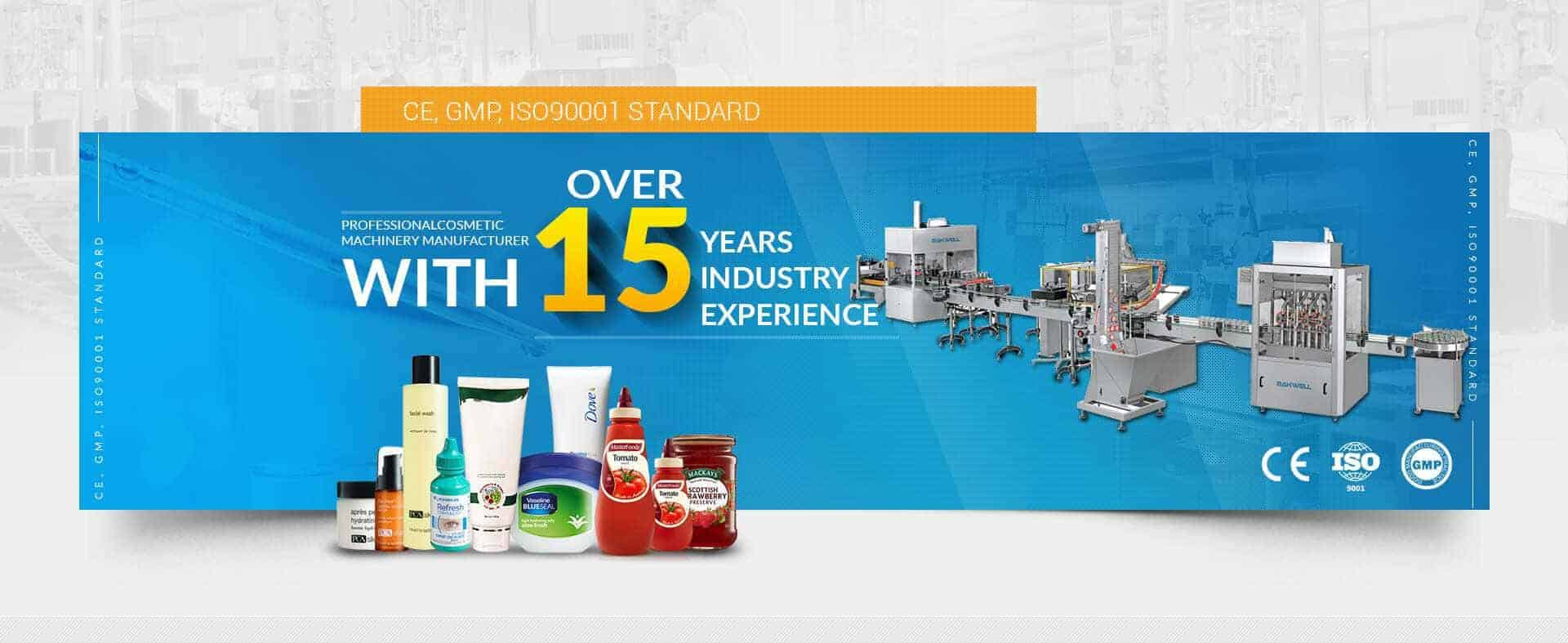
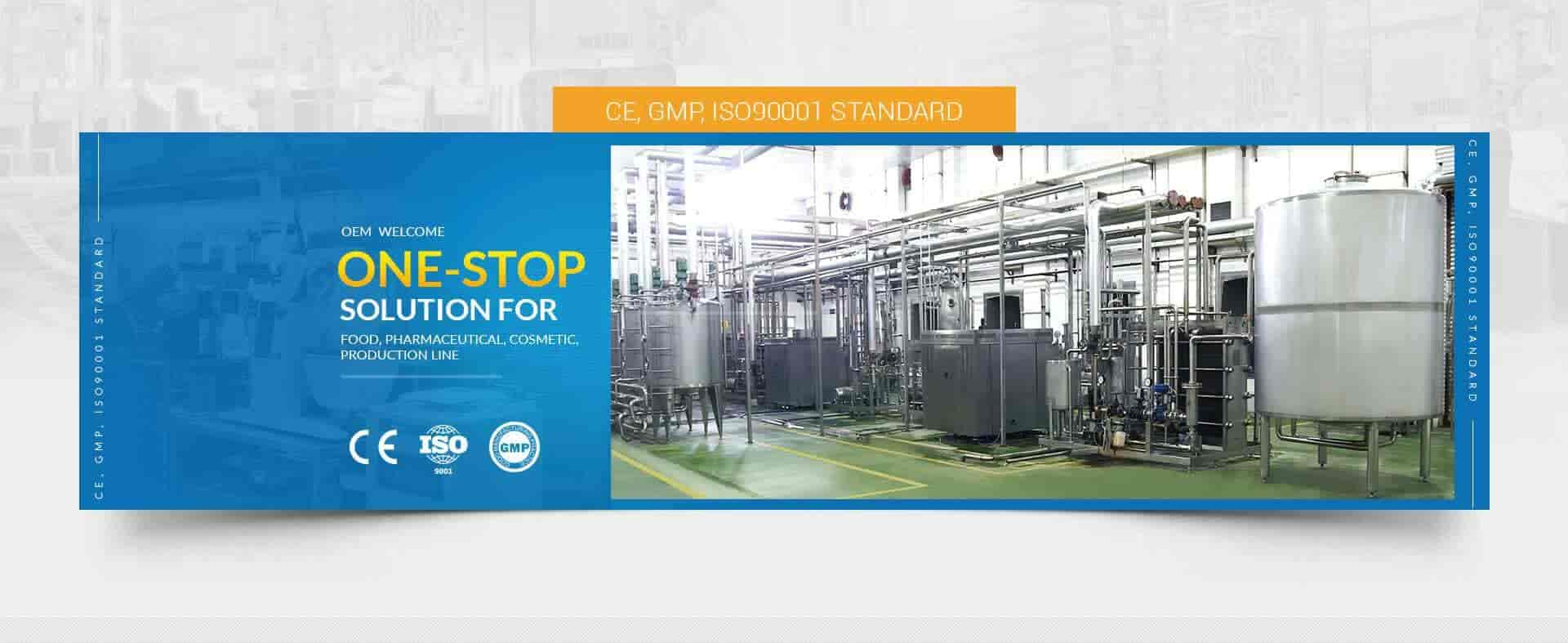
Automated filling machine production line by EAC Machinery Co., Ltd.
Professional packaging and filling machine supplier — EAC Machinery Co., Ltd.
Industry Insights & Knowledge

Packaging Machinery Blog & Insights

Discover expert articles, technical guides, maintenance tips, and latest filling automation trends from EAC Machinery Co., Ltd.

0%

China has become a major manufacturing base for tube packaging equipment, supported by broad metalworking capacity, competitive engineering, and expanding export experience. The China Top Aluminum Tube Filling and Sealing Machine Suppliers market now serves pharmaceutical, cosmetic, dental-care, food, and industrial packaging producers. Buyers usually compare filling accuracy, sealing consistency, changeover time, cleanability, and technical support.

Industry reports provide useful context. PMMI’s 2024 packaging automation research identifies labor shortages, equipment flexibility, and traceability as continuing investment priorities. Grand View Research also reports steady growth in global packaging machinery demand, driven by personal-care and healthcare production. These trends make an Aluminum Tube Filling and Sealing Machine more than a simple filling unit. It is a controlled process involving servo dosing, tube positioning, coding, sealing temperature, and quality inspection. Small deviations can create visible wrinkles, weak seals, or product waste.

Jorge Izquierdo, PMMI’s Vice President of Market Development, has repeatedly highlighted automation’s role in improving consistency, flexibility, and traceability. In practical terms, that means a stable machine should record settings, reduce manual adjustments, and support repeatable batch production. Still, supplier claims deserve careful testing. A brochure cannot show every performance limitation. Real evaluation should include sample tubes, actual product viscosity, continuous running time, seal inspection, and cleaning trials. This introduction examines leading Chinese suppliers through those measurable factors, not through price alone. That approach is less convenient. It is also more reliable. Supplier rankings can change as service networks, certifications, and component quality develop. Careful buyers should verify current evidence before signing a purchase agreement.
China Top Aluminum Tube Filling and Sealing Machine Suppliers

What Is an Aluminum Tube Filling and Sealing Machine?

An aluminum tube filling and sealing machine is an automated system for dosing products into collapsible aluminum tubes, then closing them with a controlled seal.

It commonly handles creams, gels, ointments, and technical pastes. The process includes tube loading, product filling, batch coding, folding, sealing, and discharge.

Inside the machine, a servo-driven piston or peristaltic pump controls the filling volume. A folding station then forms the tube tail into a double or triple seal. This matters because weak folds can allow leakage during transport.

MARKET INSIGHT Grand View Research estimates the global aluminum tubes market at about USD 1.2 billion in 2023, with continued growth through 2030. That demand increases pressure for accurate dosing and stable sealing.

Still, market reports use different definitions, so their figures should not be treated as absolute.

Tips: Check filling accuracy with repeated weight tests, not one sample.

Inspect seal edges under magnification. Keep product-contact parts easy to remove and clean.

A practical factory trial should test viscosity changes, tube diameter, line speed, and restart performance.

Operators often focus on speed and overlook changeover time. That is a costly mistake.

Documentation, calibration records, and hygiene controls also support reliable production under applicable quality standards.

How Aluminum Tube Filling and Sealing Machines Work

China Top Aluminum Tube Filling and Sealing Machine Suppliers

How Aluminum Tube Filling and Sealing Machines Work

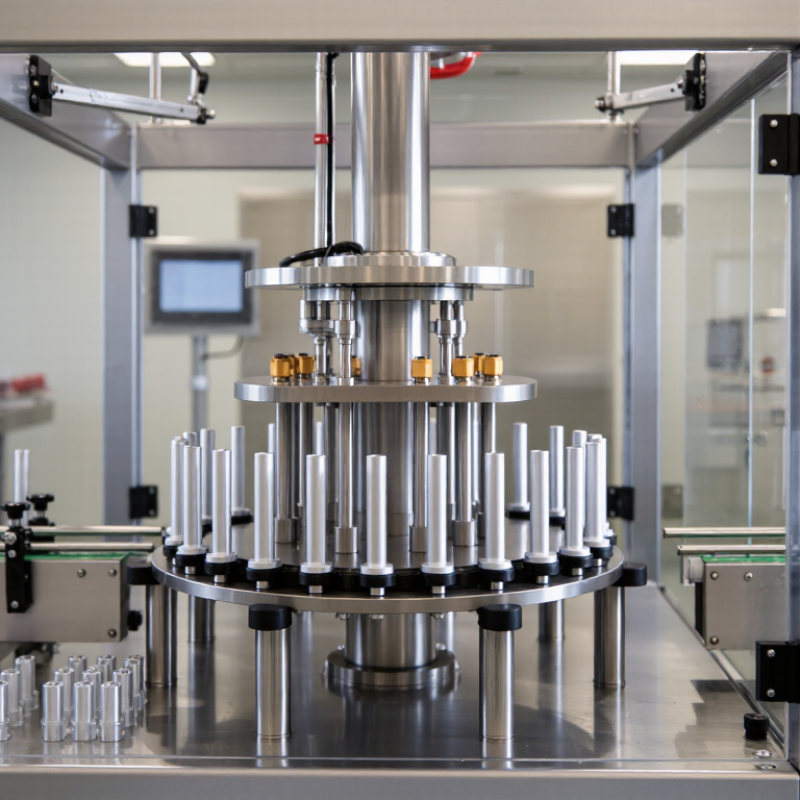
An aluminum tube filling and sealing machine moves empty tubes into holders through a controlled loading system. Sensors check tube presence, position, and orientation before filling begins. A pump or servo-driven piston then pushes measured product through a stainless-steel nozzle. The nozzle usually enters the tube to reduce splashing and trapped air. Filling volume depends on piston stroke, product viscosity, and machine speed. Operators should test these settings with real product, not water alone.

After filling, the tube travels to the sealing station. Aluminum tails are commonly folded and crimped several times, creating a firm mechanical seal. Some machines also emboss batch information on the folded end. The sealing pressure must remain stable. Excessive force can damage the tube, while weak pressure may cause leakage. Small defects are easy to miss.

In practical production, cleaning access matters as much as output speed. Product residue can collect around the nozzle and affect later batches. Good machines use accessible contact parts and clear adjustment scales. I have found that advertised capacity can feel optimistic during changeovers. That is worth checking. Reliable suppliers should provide sample testing, dimensional records, and operation training. A careful inspection routine protects fill accuracy, seal quality, and operator confidence.

Key Features of Leading Chinese Suppliers

Leading Chinese suppliers of aluminum tube filling and sealing machines focus on practical production needs, not only catalogue speed. Their equipment commonly uses servo-driven filling systems, PLC controls, and stainless-steel contact parts. These features support stable dosing for creams, gels, adhesives, and other viscous products. A useful machine should handle several tube diameters with simple format changes.

Precision matters more than impressive numbers. Reliable suppliers provide filling tests with customer samples before shipment. They record nozzle accuracy, sealing temperature, production speed, and rejection rates. Folding or crimping stations must form clean seals without marking the aluminum tube. Sensors should detect missing tubes and stop filling quickly. Small details matter.

Good technical support is another key feature. Experienced suppliers offer installation guidance, operator training, digital manuals, and commonly used spare parts. Factory acceptance testing can reveal uneven filling or weak seals early. Quoted speed may be ideal, not practical. I would question any supplier that avoids discussing product viscosity, tube dimensions, or cleaning time. After-sales response should be measured in clear procedures, not vague promises. A slower machine with dependable support may perform better over several years.

How to Evaluate Machine Quality and Supplier Capability

China Top Aluminum Tube Filling and Sealing Machine Suppliers

When evaluating an aluminum tube filling and sealing machine, inspect performance beyond catalog claims. Check fill accuracy across small and large volumes. Observe whether the servo-driven system maintains stable dosing during continuous production. Examine the sealing station closely. A clean fold, even crimp, and smooth tube surface indicate better mechanical control. Ask for test records using tubes and materials similar to yours. A machine that performs well with water may behave differently with thick creams.

Supplier capability matters as much as machine quality. Request drawings, electrical layouts, maintenance schedules, and a clear list of wearing parts. A reliable supplier should explain installation, operator training, troubleshooting, and response times. Review factory testing procedures and witness a full filling cycle. Ask how the supplier handles rejected tubes, sensor faults, and sudden pressure changes. These details reveal practical experience. A polished brochure is not proof.

Tips: Measure actual samples, not promises. Check noise, leakage, changeover time, and cleaning access. Speak with engineers, not only sales staff. Confirm documentation before payment. If possible, arrange factory acceptance testing with agreed standards. I have seen evaluations focus too heavily on speed. That can be a mistake. A fast machine with unstable sealing may create more waste, downtime, and rework. Supplier references also deserve careful review, because one successful installation may not represent consistent service.

China Top Aluminum Tube Filling and Sealing Machine Suppliers: Quality and Capability Evaluation

This reference model uses a 100-point weighted evaluation framework rather than company or brand data. Filling accuracy, sealing consistency, production stability, changeover efficiency, hygienic design, and after-sales capability are key factors when comparing aluminum tube filling and sealing machine suppliers.

Applications, Maintenance, and Purchasing Considerations

China Top Aluminum Tube Filling and Sealing Machine Suppliers

Aluminum tube filling and sealing machines serve cosmetic, food, pharmaceutical, and industrial paste applications. They handle measured filling, tube positioning, sealing, coding, and discharge. Product thickness matters. A cream may flow smoothly, while a dense ointment needs stronger pressure control. Experienced suppliers should arrange trials using your actual tube size and material. Fit matters.

Maintenance begins with cleaning product-contact parts after every production shift. Operators should inspect filling nozzles, sealing jaws, sensors, and pneumatic lines. Small paste deposits can cause weak seals or inaccurate filling. Keep records. Lubricate moving components according to the manual, not personal habit. Replace worn seals before leakage affects hygiene or output. No machine is maintenance-free.

Purchasing requires more than comparing prices. Check filling accuracy, speed, changeover time, power requirements, and available spare parts. Ask for installation training, technical response times, and clear warranty terms. A reliable supplier should provide layout drawings and test reports. Request sample tubes and finished products. Not always. Some machines perform well during demonstrations but struggle with unstable materials. This is where careful testing prevents expensive revisions. A complete acceptance test should examine seal appearance, filling weight, air leakage, and continuous operation. Buyers should also consider future products, because limited adjustment ranges can create avoidable replacement costs.

FAQS

How does an aluminum tube filling and sealing machine begin the process?

A loading system places empty tubes into holders. Sensors check presence, position, and orientation before filling starts.

How is the product measured and filled?

A pump or servo-driven piston pushes product through a stainless-steel nozzle. Filling depends on piston stroke, viscosity, and machine speed. Test with real product.

Why does the nozzle usually enter the tube?

It reduces splashing and trapped air. This helps produce cleaner fills, especially with thick creams or gels.

How are aluminum tubes sealed after filling?

The machine folds and crimps the tube tail several times. Some systems emboss batch details on the folded end. Small defects hide.

What problems can incorrect sealing pressure cause?

Excessive pressure may damage the aluminum. Weak pressure can cause leakage. Inspect folds, crimps, and tube surfaces carefully.

Should operators trust the advertised production speed?

Not completely. Changeovers, cleaning, product viscosity, and rejected tubes reduce practical output. A slower machine may create less waste.

How can buyers evaluate machine performance before purchase?

Request tests using matching tubes and real product. Check fill accuracy, leakage, noise, sealing quality, and changeover time. Water alone is insufficient.

What supplier documents and support should buyers request?

Request drawings, electrical layouts, maintenance schedules, spare-parts lists, manuals, and training. Confirm response procedures before payment. Promises can remain vague.

Why is cleaning access important?

Product residue can collect around the nozzle and affect later batches. Accessible contact parts make cleaning faster and more reliable. I might underestimate this during a rushed evaluation.

Conclusion

An Aluminum Tube Filling and Sealing Machine is an automated system designed to fill aluminum tubes with creams, gels, pastes, and other approved products before securely sealing and coding them. The machine typically feeds empty tubes, positions them accurately, dispenses a controlled volume, folds or crimps the tube end, and completes inspection and discharge. Leading Chinese suppliers generally focus on stable operation, accurate filling, adjustable speeds, hygienic contact parts, user-friendly controls, and compatibility with different tube sizes and product viscosities.

When evaluating a machine, buyers should examine filling precision, sealing consistency, construction quality, production capacity, cleaning procedures, safety protection, and the supplier’s engineering and after-sales capabilities. Applications may include cosmetics, personal care, food, household products, and other compliant industries. Regular maintenance, including cleaning, lubrication, calibration, and inspection of wear parts, helps maintain performance and extend service life. Purchasing decisions should also consider installation support, spare-part availability, customization options, energy consumption, total cost, and compliance with applicable regulations.

Landon

Landon

Landon is a dedicated marketing professional with extensive expertise in our company’s innovative products and services. With a deep understanding of market dynamics and consumer needs, he consistently delivers insightful content that showcases the unique benefits of our offerings. Landon is......