2026 Engineering & Sourcing Intelligence Guide

Next-Gen Pharmaceutical Filling Machine Architecture: Comprehensive Engineering Guide on cGMP Compliance, Dosage Precision, Modular Automation, and Global Procurement Trends

Navigating modern pharmaceutical production requires uncompromising dosage accuracy, sterile filling integrity, and seamless 21 CFR Part 11 digital compliance. Authored by EAC Machinery Co., Ltd.’s senior pharmaceutical automation engineers, this authoritative analysis answers key technical challenges facing global biopharmaceutical procurement teams, validation directors, and plant managers.

1. Executive Overview: The Evolution of Pharmaceutical Filling Machines in Sterile & Non-Sterile Dosage Form Lines

In the global pharmaceutical, biopharmaceutical, and nutraceutical manufacturing sectors, a Pharmaceutical Filling Machine is not merely a piece of mechanical packaging hardware; it is a critical contamination barrier and precision metering unit directly governing product safety, potency, and regulatory clearance. Whether dosing active pharmaceutical ingredients (APIs) in liquid injectables, filling viscous topical gels into aluminum tubes, or volumetric dosing of oral syrup suspensions, modern pharmaceutical production demands flawless repeatability, complete CIP/SIP (Clean-in-Place / Sterilize-in-Place) validation, and total data integrity.

As international regulatory bodies such as the US FDA, EMA, and WHO tighten enforcement of Annex 1 revisions regarding Contamination Control Strategies (CCS) and aseptic processing, pharmaceutical plant engineering managers must rethink traditional filling setups. At EAC Machinery Co., Ltd., our 15+ years of dedicated engineering experience have culminated in advanced servo-driven, high-precision filling platforms engineered to meet Grade A (ISO 5) cleanroom environments while minimizing operational Total Cost of Ownership (TCO).

Key Technical Insight: Dosing Pump Selection Criteria for Pharmaceutical Liquids

Choosing between peristaltic pump, ceramic rotary piston, and mass flowmeter technologies dictates your line's flexibility, batch changeover times, and cleaning validation protocols. While peristaltic pumps eliminate fluid contact with mechanical seals (making them ideal for single-use bio-processing), ceramic piston pumps provide unmatched long-term volumetric stability (±0.5%) for high-speed continuous syrup and liquid antibiotic packaging.

Dosing Pump Engineering Comparison for Pharmaceutical Filling Systems

The table below illustrates the core trade-offs and operational capabilities of primary dosing mechanisms employed across EAC Machinery Co., Ltd.'s pharmaceutical liquid filling lines:

Pump Technology Volumetric Accuracy Viscosity Range (cP) Cleaning Protocol Primary Pharmaceutical Application
Ceramic Piston Pump ±0.3% to ±0.5% 1 - 5,000 cP Automatic CIP / SIP or Autoclave Vials, Ampoules, Eye Drops, Oral Liquids
Peristaltic Pump (Single-Use) ±0.5% to ±1.0% 1 - 1,000 cP Disposable Sterility Bag & Tubing Monoclonal Antibodies, Vaccines, Cell Therapy
Coriolis Mass Flowmeter ±0.2% 1 - 10,000+ cP Integrated CIP/SIP without Disassembly High-value Parenterals, Large Volume Parenterals
Pneumatic Piston Pump (SS316L) ±0.5% to ±1.0% 100 - 100,000 cP Manual / Automatic CIP Rinse Ointments, Creams, Gels, Dental Pastes

2. Recommended Pharmaceutical Filling Machine Solutions

Engineered for cleanroom integration, fast changeovers, and zero product giveaway. Explore EAC Machinery Co., Ltd.’s premier range of pharmaceutical dosing and packaging machinery.

Sterile & Oral Liquids

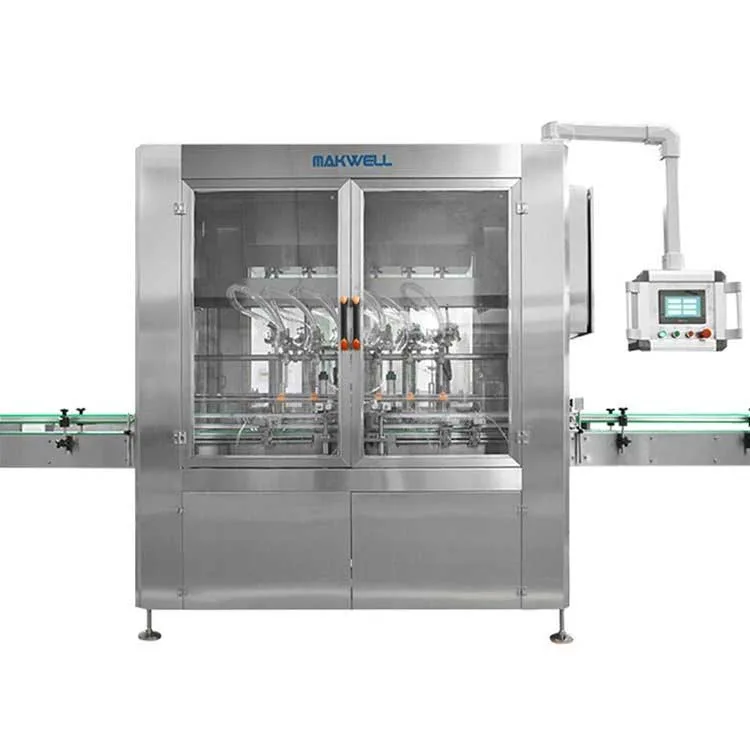
Automatic Liquid Bottle Filling Machine

Fully automated liquid filling system designed for oral solutions, syrups, and pharmaceutical suspensions. Features anti-drip diving nozzles, servo-driven pistons, and full SS316L fluid contact paths.

  • Dosing Range: 5ml – 1000ml
  • Accuracy: ≤ ±0.5%
  • Compliance: cGMP / CE / 21 CFR Part 11
Ointments & Creams

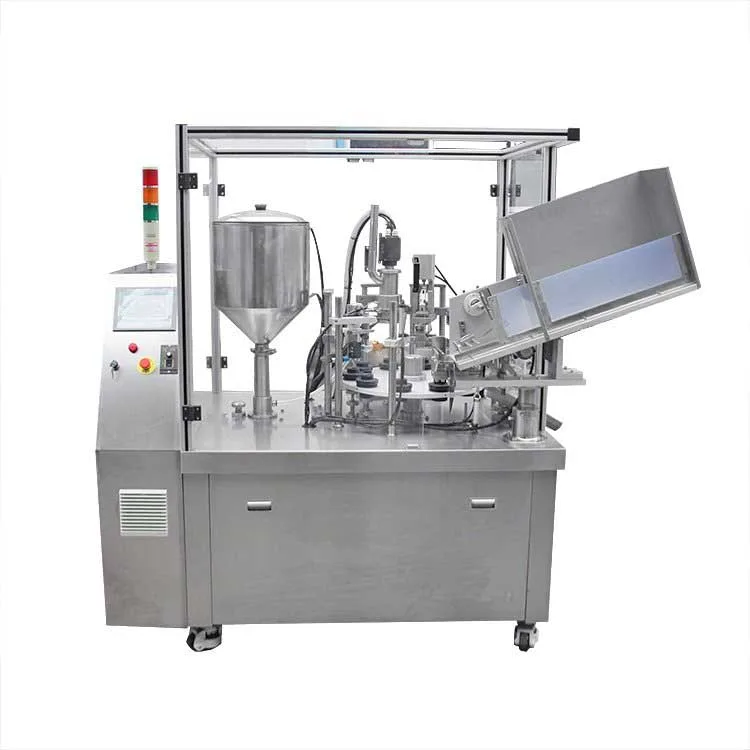
Pharmaceutical Tube Filling & Sealing Machine

Specialized for filling medicinal creams, hydrocortisone ointments, and gels into plastic or aluminum tubes. Features hot-air or micro-fold sealing, batch coding, and automated tube feeding.

  • Capacity: 40 – 120 tubes/min
  • Tube Types: PE, Laminated, Aluminum
  • Dosing: Piston / Blow-off Nozzle
Monoblock Sterile Line

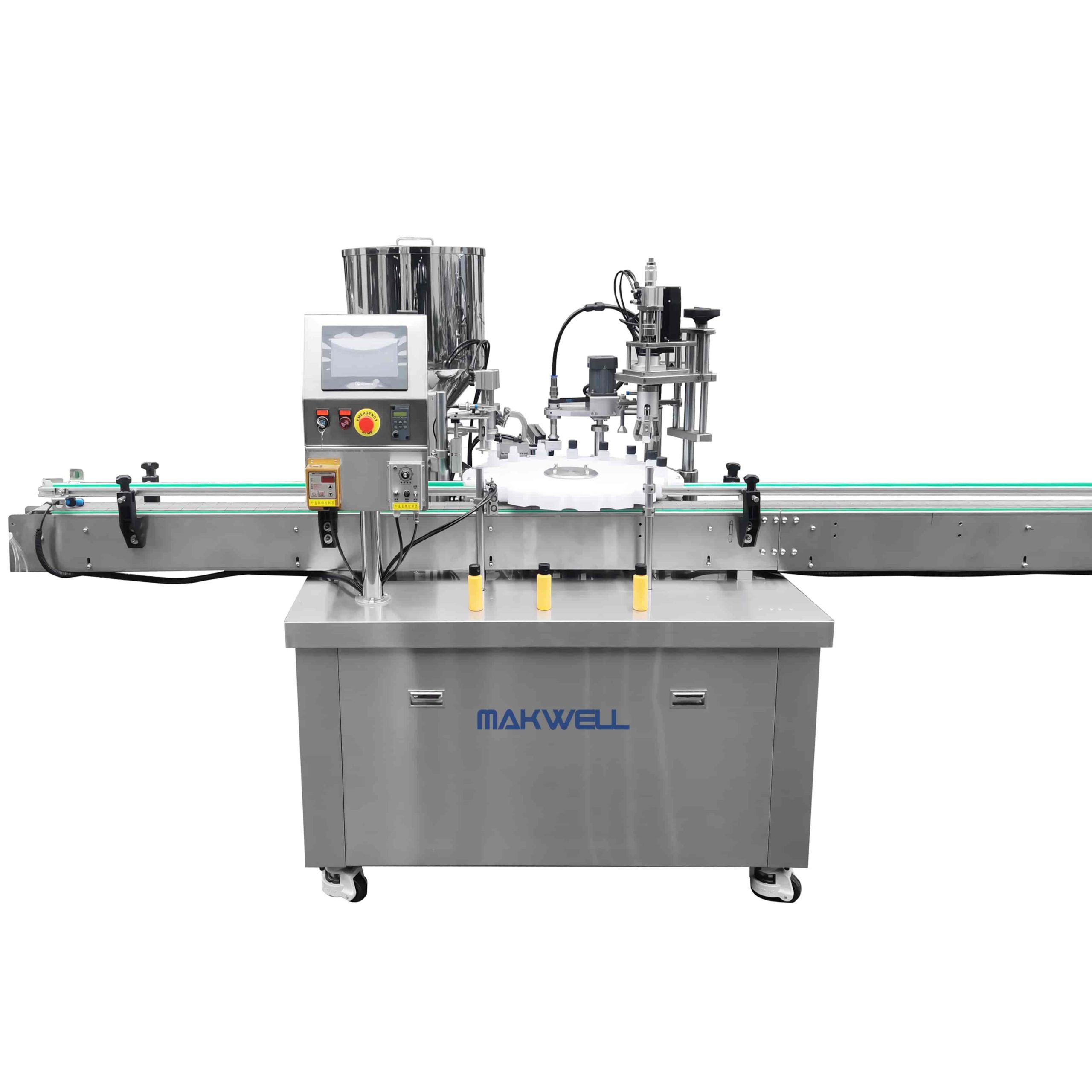
Monoblock Liquid Filling & Capping Machine

Compact monoblock workstation integrating bottle feeding, sterile liquid dosing, inner plugging, and screw/crimp capping under laminar flow hoods. Ideal for diagnostic reagents and vials.

  • Footprint: Compact Cleanroom Layout
  • Capping Precision: Servo Torque Control
  • Reject Rate: < 0.05%
Preparation System

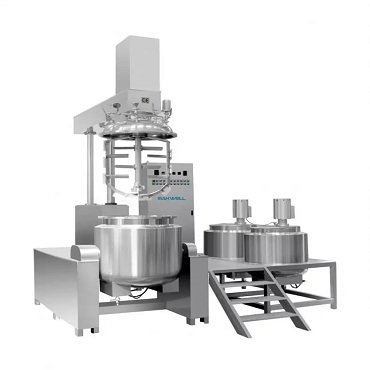
High-Shear Vacuum Emulsifying Mixer System

Upstream pharmaceutical ointment and emulsion synthesis system. Ensures bubble-free homogenizing under full vacuum, seamlessly feeding directly into downstream tube filling lines.

  • Working Capacity: 50L – 2000L
  • Heating / Cooling: Jacketed SS316L Vessel
  • Homogenizer: 0 – 3600 RPM Variable
Unit Dose Packaging

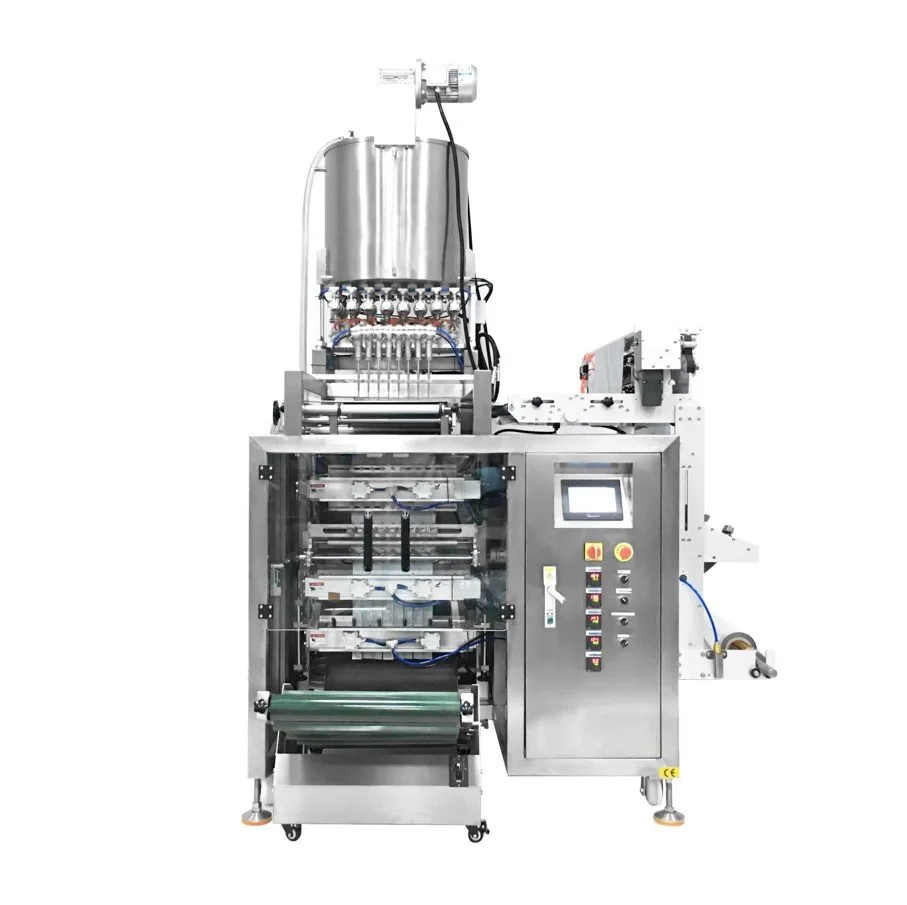
Multi-Lane Powder & Liquid Sachet Machine

High-speed multi-lane vertical form fill seal (VFFS) machine for oral rehydration salts, powder sachets, and liquid unit-dose packaging with precise temperature sealing controls.

  • Speed: Up to 400 sachets/min
  • Sealing Type: 4-Side / 3-Side / Stickpack
  • Feeder: Auger / Peristaltic Dosing
Turnkey Engineering

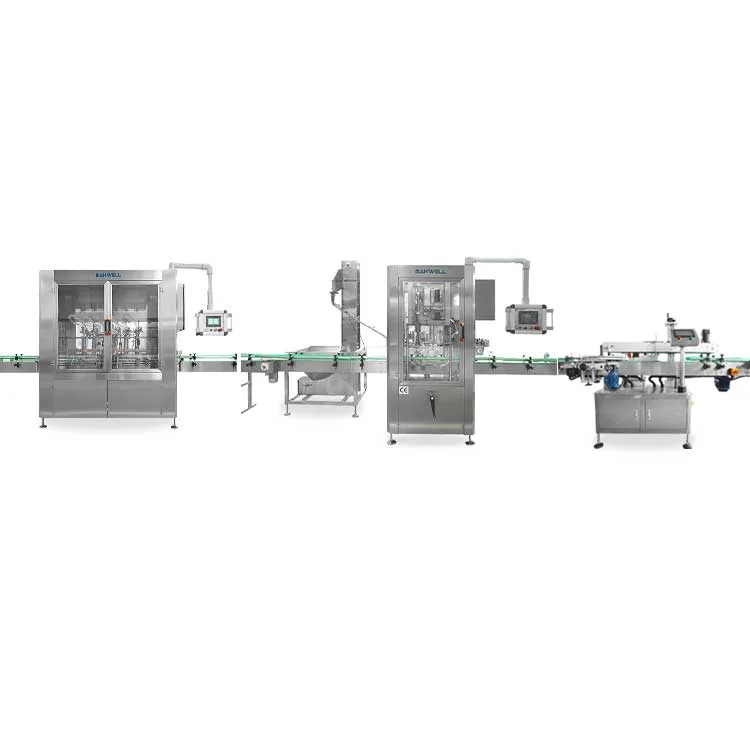
Turnkey Pharmaceutical Filling & Packaging Line

End-to-end continuous automated production line including bottle unscrambling, air washing, filling, capping, labeling, automatic cartoning, and case packing.

  • Integration: Fully Synchronized Line
  • Control: Centralized SCADA / HMI
  • Validation: Full DQ/IQ/OQ/PQ Package

The pharmaceutical manufacturing landscape is undergoing a monumental shift driven by personalized medicine, targeted biologic therapies, smaller batch sizes, and stringent Annex 1 regulatory demands. Procurement directors must invest in machinery architectures capable of adapting to next-generation tech standards over the next decade.

1 Isolator & RABS Barrier Integration

Traditional open cleanroom filling operations are rapidly being phased out in favor of Restricted Access Barrier Systems (oRABS/cRABS) and complete aseptic Isolators. Future pharmaceutical filling machines require ultra-compact robot-assisted arms, minimal mechanical linkages within the sterile zone, and full compatibility with VHP (Vaporized Hydrogen Peroxide) decontamination cycles.

2 AI-Driven 100% In-Process Control (IPC)

Rather than relying on statistical tare/gross sampling, next-generation filling equipment integrates high-speed electromagnetic force restoration (EMFR) load cells under every filling station. Powered by AI predictive algorithms, the machine dynamically adjusts valve open times in real time to compensate for micro-changes in liquid temperature or density.

3 Single-Use Fluid Path Technology (SUT)

To eradicate cross-contamination risk during multi-product biomanufacturing runs, pharmaceutical filling machinery is adopting pre-sterilized single-use peristaltic tubing assemblies, disposable surge tanks, and molded filling needles. This drastically reduces cleaning validation lead times and eliminates steam-sterilization water and energy usage.

4 21 CFR Part 11 & Industrial IoT (IIoT) Cloud Data

Modern compliance dictates zero tolerance for unrecorded batch parameters. EAC Machinery Co., Ltd.’s newest control platforms utilize encrypted OPC-UA protocols, biometric operator login, immutable audit trails, and automatic electronic batch records (eBR) pushed directly to enterprise MES/ERP systems.

4. Global Sourcing & Procurement Trends for Pharmaceutical Equipment

For multinational pharmaceutical procurement managers and EPC project directors, evaluating a Pharmaceutical Filling Machine supplier involves evaluating total lifetime risk, regulatory documentation completeness, and spare parts responsiveness rather than purely comparing initial machinery purchase prices.

Shift from CapEx Focus to Total Cost of Ownership (TCO)

Leading pharmaceutical groups now perform comprehensive TCO assessments during vendor selection. Initial machinery acquisition costs typically represent only 20% to 30% of a filling line's true 10-year operational cost. Factors such as changeover downtime, spare part wear cycles, energy efficiency, yield loss from over-filling, and validation labor dominate the lifetime financial equation.

  • Yield Optimization & Precision: Reducing filling deviation from ±1.0% down to ±0.3% on high-value biopharmaceuticals can save hundreds of thousands of dollars annually in wasted API product giveaway.
  • Tool-less Rapid Changeovers: Utilizing color-coded, magnetic or quick-clamp format parts cuts changeover times between batch sizes from 4 hours down to under 45 minutes.
  • Turnkey Validation Support: Procuring machinery equipped with ready-to-execute DQ, IQ, OQ, and PQ protocols drastically reduces plant qualification timetables, enabling faster commercial drug release.

5. Why Global Buyers Trust EAC Machinery Co., Ltd.

Building on over 15 years of precision manufacturing excellence, EAC Machinery Co., Ltd. delivers robust compliance, cutting-edge technology, and end-to-end engineering support.

15+ Years Experience

15+ Years Manufacturing Heritage

Established expertise in designing pharmaceutical dosing lines, mixer homogenizers, and tube packaging systems deployed in over 50 countries worldwide.

cGMP and CE Certification

cGMP & CE Certified Integrity

All contact parts are crafted from certified AISI 316L stainless steel polished to Ra < 0.4 µm electro-polish finishes, satisfying stringent US FDA and EU GMP cleanroom norms.

Tailored Engineering

Bespoke Engineering Customization

Customized dosing configurations, specialized container handling, isolated cleanroom footprints, and customized PLC software architectures tailored to your plant layout.

Senior Validation Team

Comprehensive Validation Support

Complete DQ, IQ, OQ, and PQ qualification execution protocols provided alongside raw material mill certificates, calibration reports, and FAT/SAT documentation.

2-Year Machine Warranty

2-Year Comprehensive Warranty

We stand behind our build quality with an industry-leading 2-year warranty on core mechanical structures and major electrical components.

24/7 After-Sales Support

24/7 Global Response Network

Dedicated technical support team offering remote AR video troubleshooting, fast spare parts dispatch via international air express, and on-site commissioning engineers.

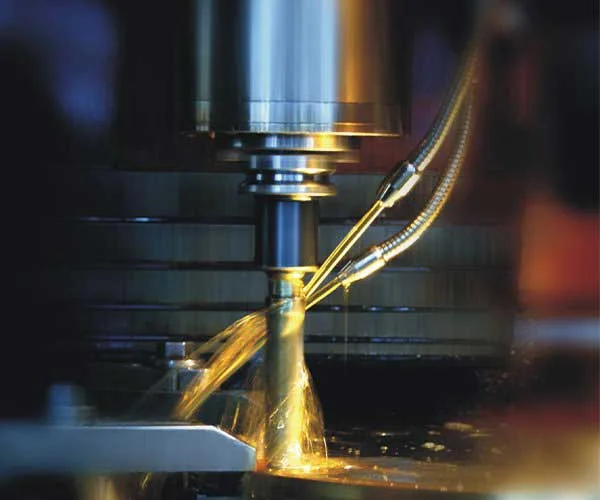
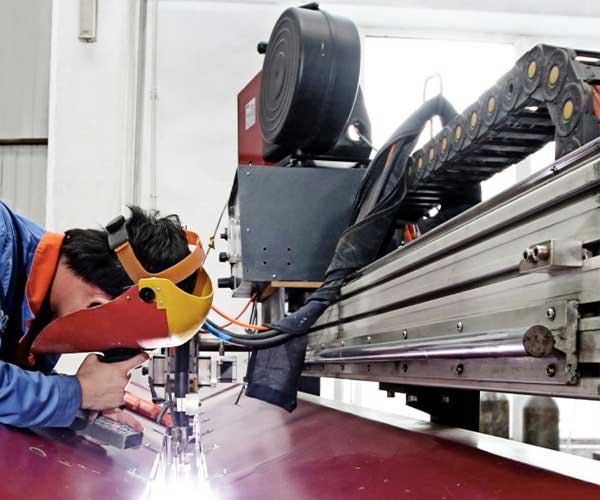
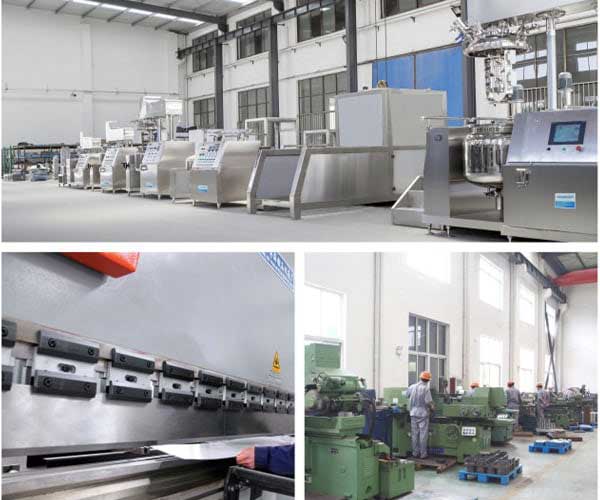
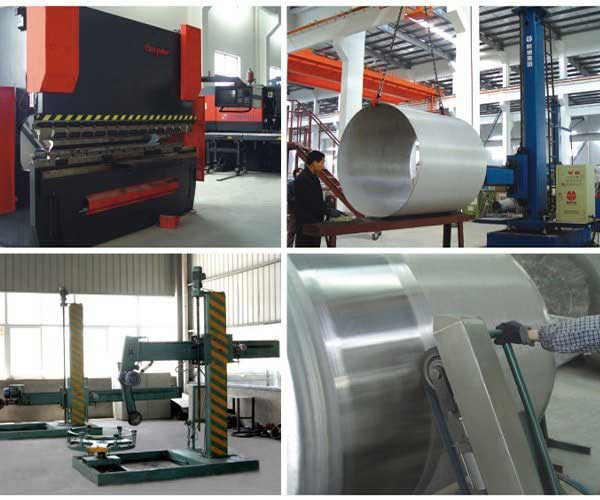
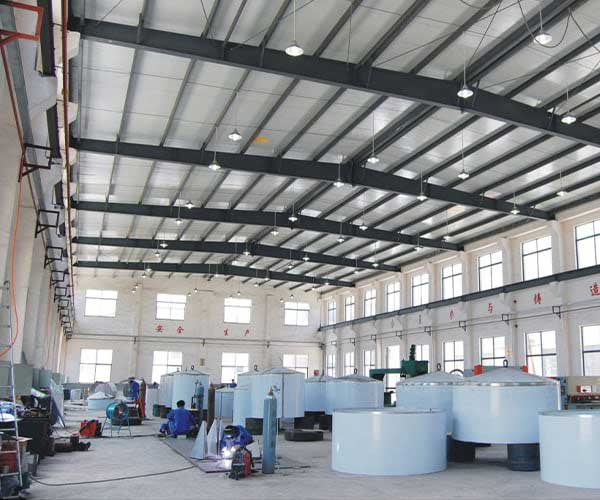
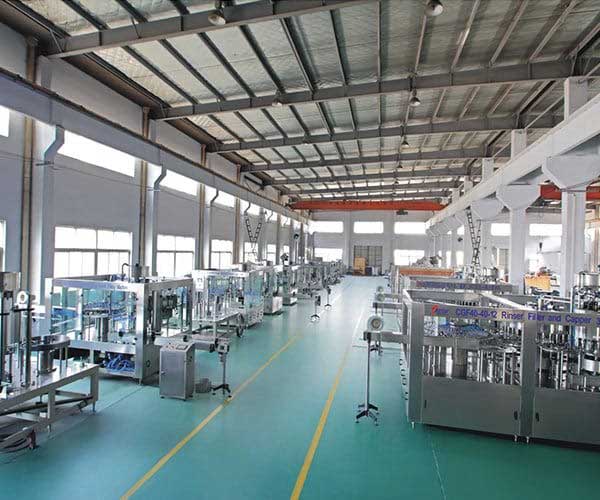
Inside EAC Manufacturing Facility

Take a look at our advanced CNC machining, precision laser welding, assembly clean zones, and quality assurance testing facilities in Jiangsu, China.

6. Pharmaceutical Procurement FAQ

Addressing technical, operational, and regulatory questions frequently submitted by global pharmaceutical buyers and engineers.

For sterile parenteral liquids, peristaltic pumps and ceramic rotary piston pumps are industry standards. Peristaltic pumps utilize pre-sterilized single-use tubing paths that eliminate cross-contamination risks and clean-in-place validation overhead, making them ideal for high-value biologics and vaccines. Ceramic rotary piston pumps offer exceptional mechanical durability and extreme volumetric accuracy (±0.3%) for long continuous runs of non-shear-sensitive sterile products without generating particle wear debris.

Our machines are constructed using certified AISI 316L stainless steel for all liquid/powder contact surfaces with internal roughness polished to Ra < 0.4 µm. Non-contact structural parts are fabricated from SS304. Machine software implemented on Siemens or Allen-Bradley PLCs features multi-level biometric/password login, encrypted immutable audit logs, electronic batch reporting (eBR), and automated data backup capabilities complying directly with 21 CFR Part 11 data integrity principles.

EAC Machinery Co., Ltd. provides a complete, execution-ready validation dossier including Design Qualification (DQ), Installation Qualification (IQ), Operational Qualification (OQ), Factory Acceptance Testing (FAT), and Site Acceptance Testing (SAT) protocols. Additionally, we include raw material trace certificates (MTR 3.1), surface finish measurement logs, electrical schematics, pneumatics diagrams, PLC software source code documentation, and spare parts manuals.

Yes. Our pharmaceutical filling platforms are engineered specifically with compact footprints, glove-port reach ergonomics, sloped self-draining stainless surfaces, and sealed cable penetrations designed for smooth integration inside Open or Closed Restricted Access Barrier Systems (RABS) as well as fully sealed, VHP-decontaminated aseptic Isolator enclosures adhering to Grade A / ISO 5 cleanroom requirements.

Standard lead time for standalone custom pharmaceutical filling machines is typically 40–50 working days, while complete integrated lines range from 60–75 working days depending on customization requirements. Pre-shipment FAT tests are conducted live via high-definition video or in person at our Jiangsu plant. Post-delivery, our qualified field engineers provide on-site installation, SAT execution, operator training, and calibration support.

Accelerate Your Pharmaceutical Line Project Today

Partner with EAC Machinery Co., Ltd. to custom-engineer high-precision, cGMP-compliant filling and packaging equipment tailored to your exact formulation, container specifications, and throughput targets.